South
Ushuaia to the Antarctic Peninsula by way of Stanley and South Georgia, in a sailing yacht. Twenty-five photographs.
What the photographs establish
Until these arrived, the polar career on this site was one sentence with nothing behind it. It is now a named boat in named places, and that changes what the rest of the site is allowed to claim.
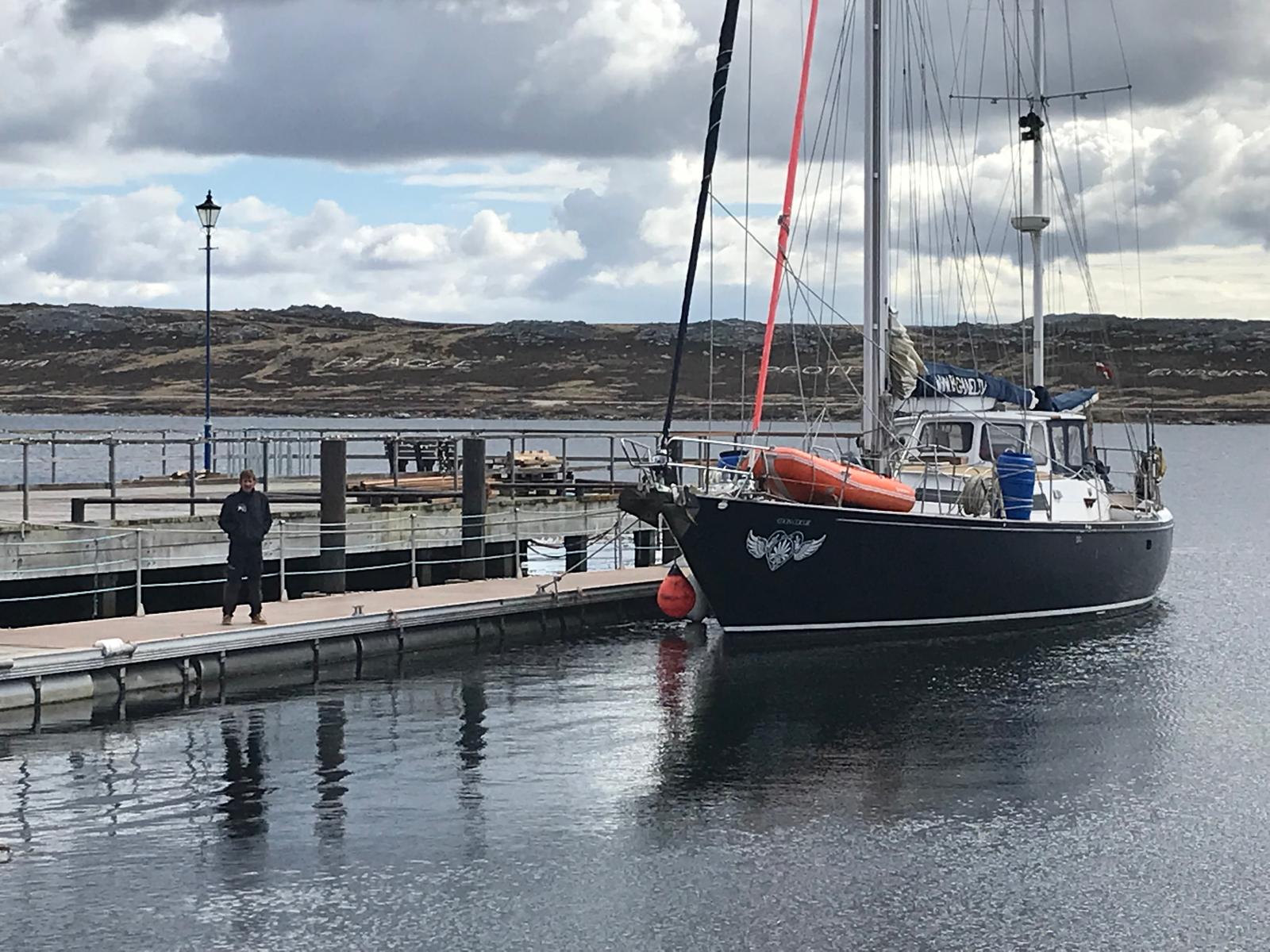
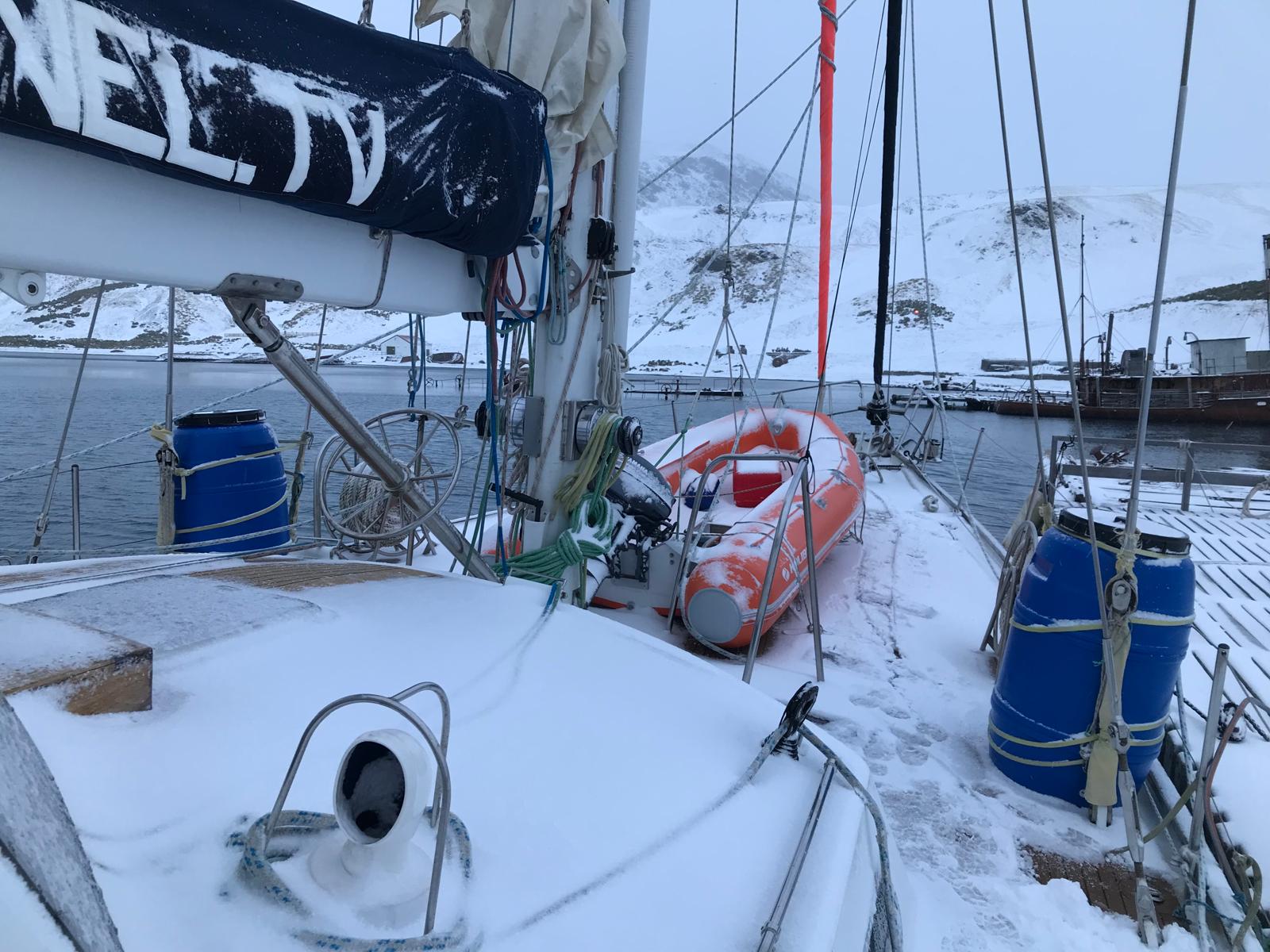
The yacht is Mon Coeur. The name is painted small on her bow above
a winged-heart device, too small to read at this resolution; it is legible
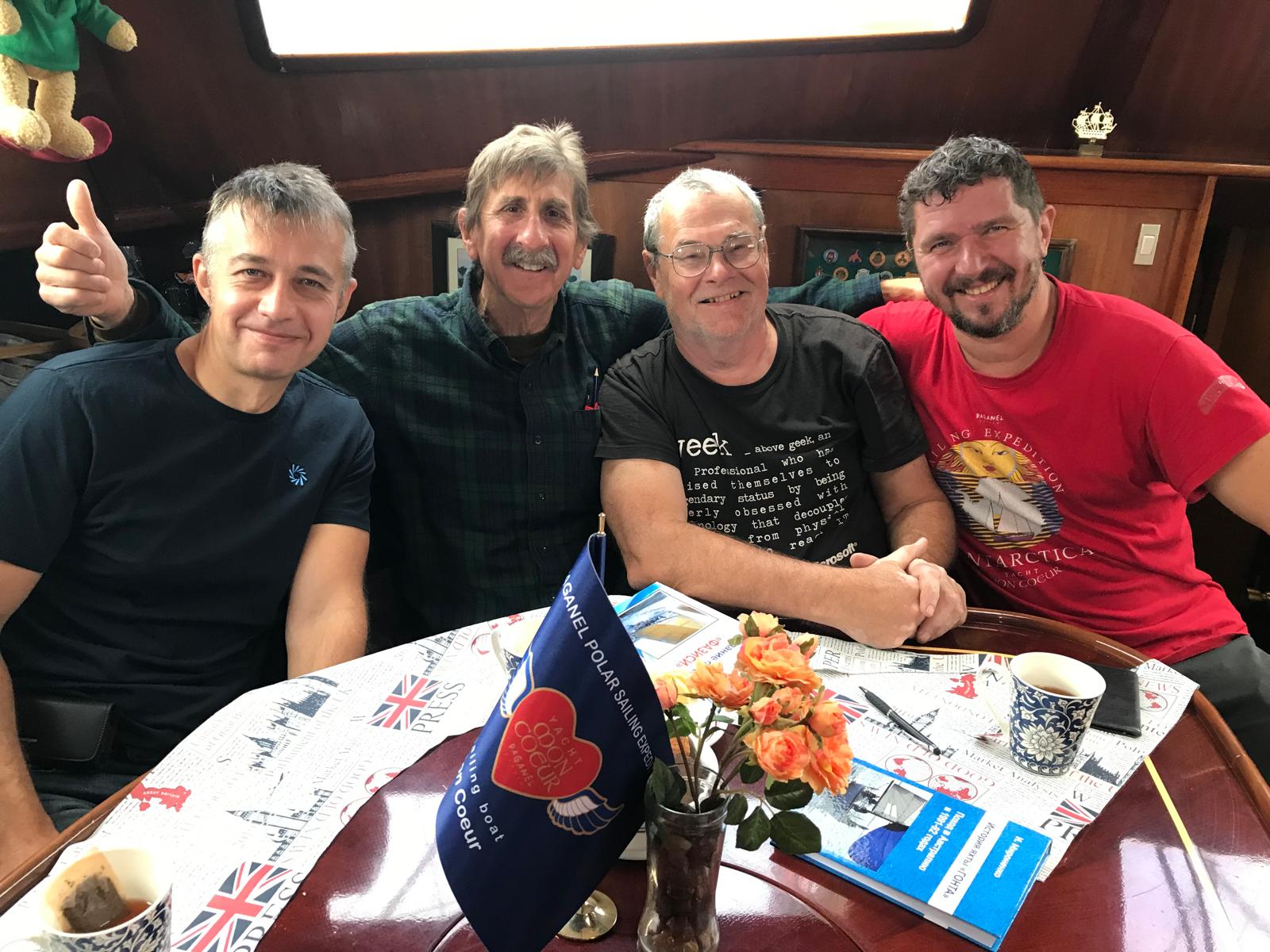
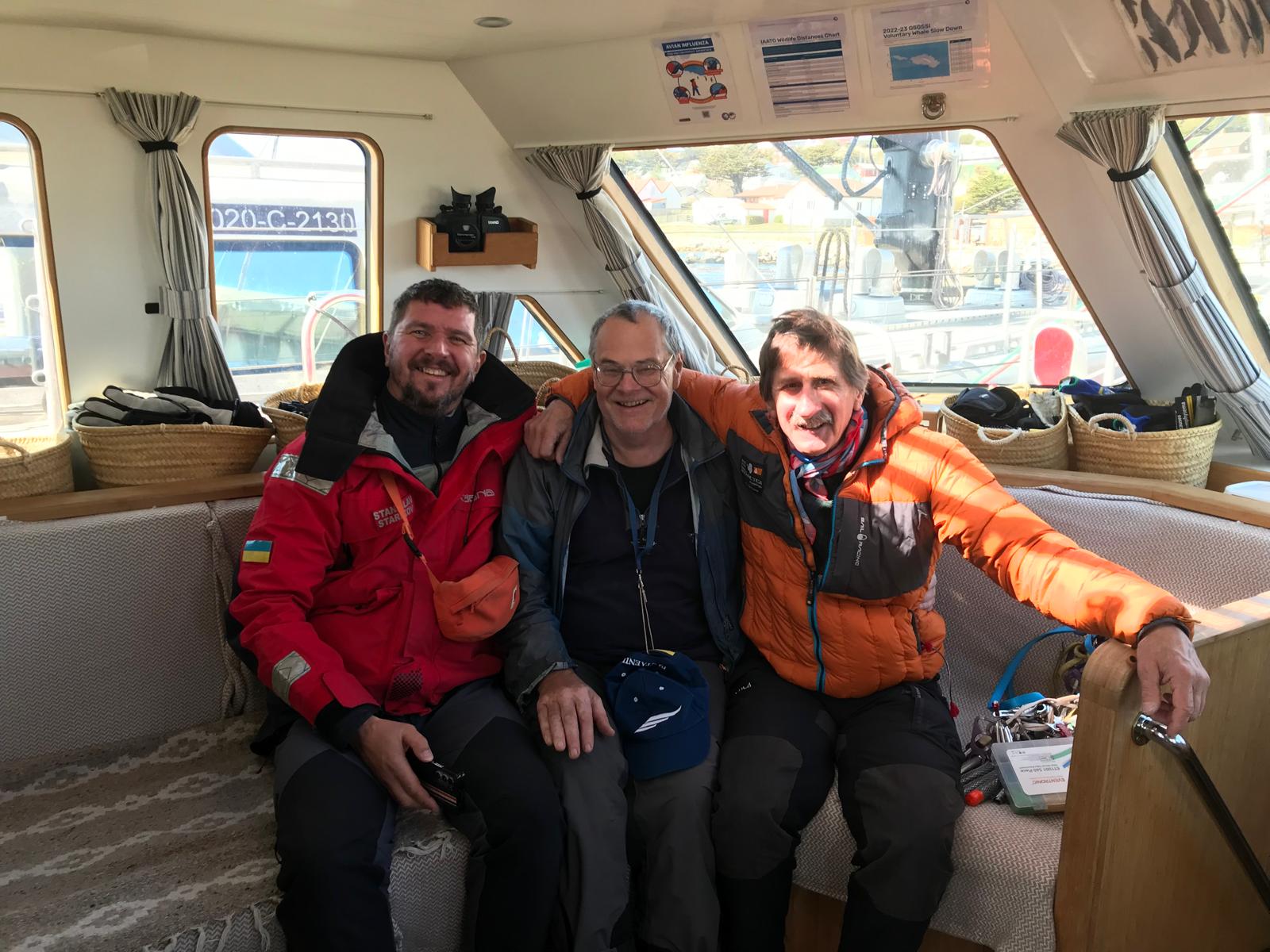
instead on the table flag in the saloon — Paganel Polar Sailing
Expedition · sailing boat Mon Coeur — and on a crew shirt reading
Paganel Sailing Expedition Antarctica · yacht Mon Coeur. The boom bag
carries www.paganel.tv, which is Paganel Studio, the operator:
expeditions since late 2011, polar yachting since 2014. Their own listing
makes her a Dübbel & Jesse aluminium ketch, 20.4 m, twin
130 hp Perkins, re-equipped and insulated for cold latitudes in 2017–18,
berths for eight guests and four crew. That matches the frames: dark hull,
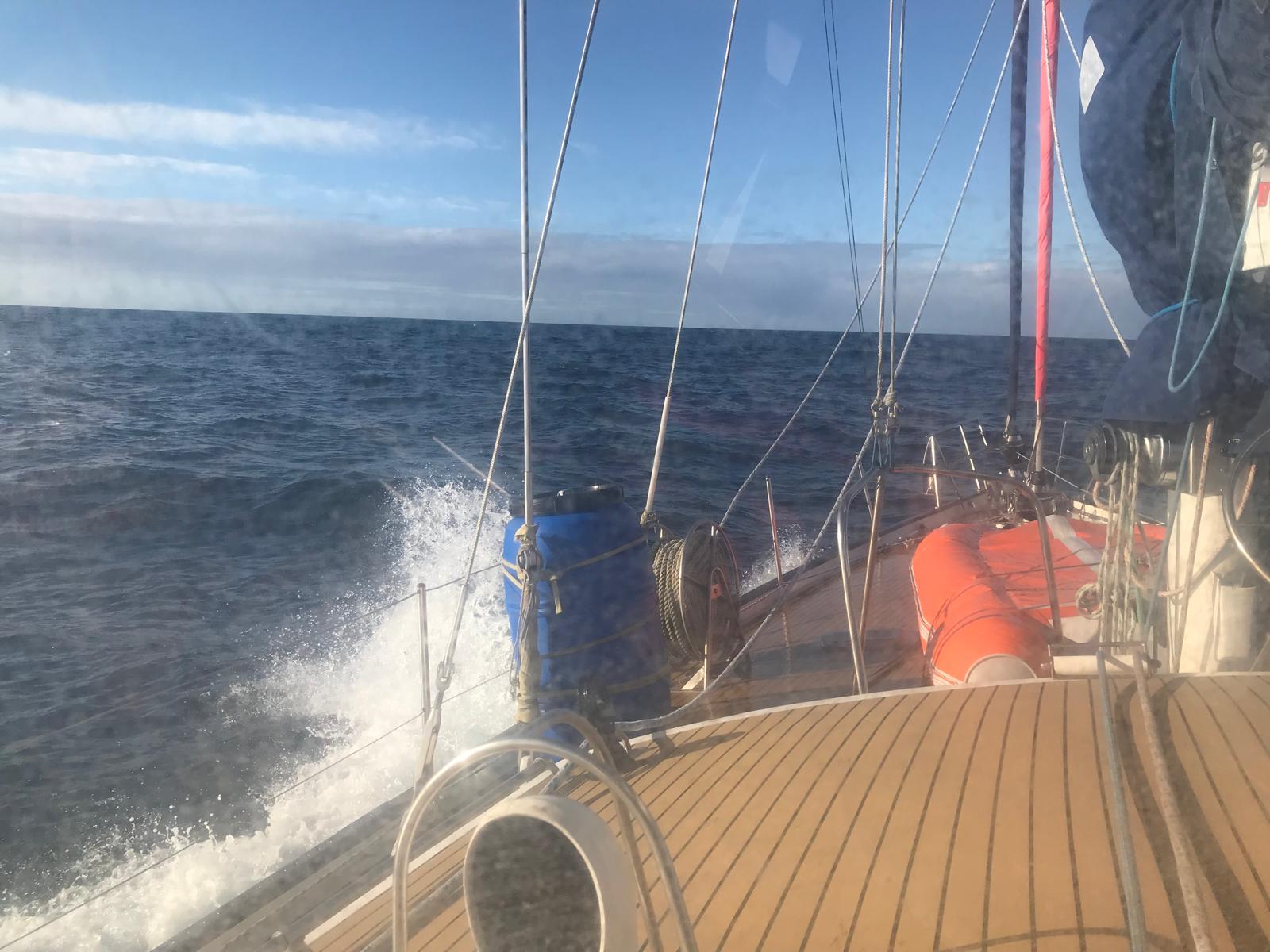
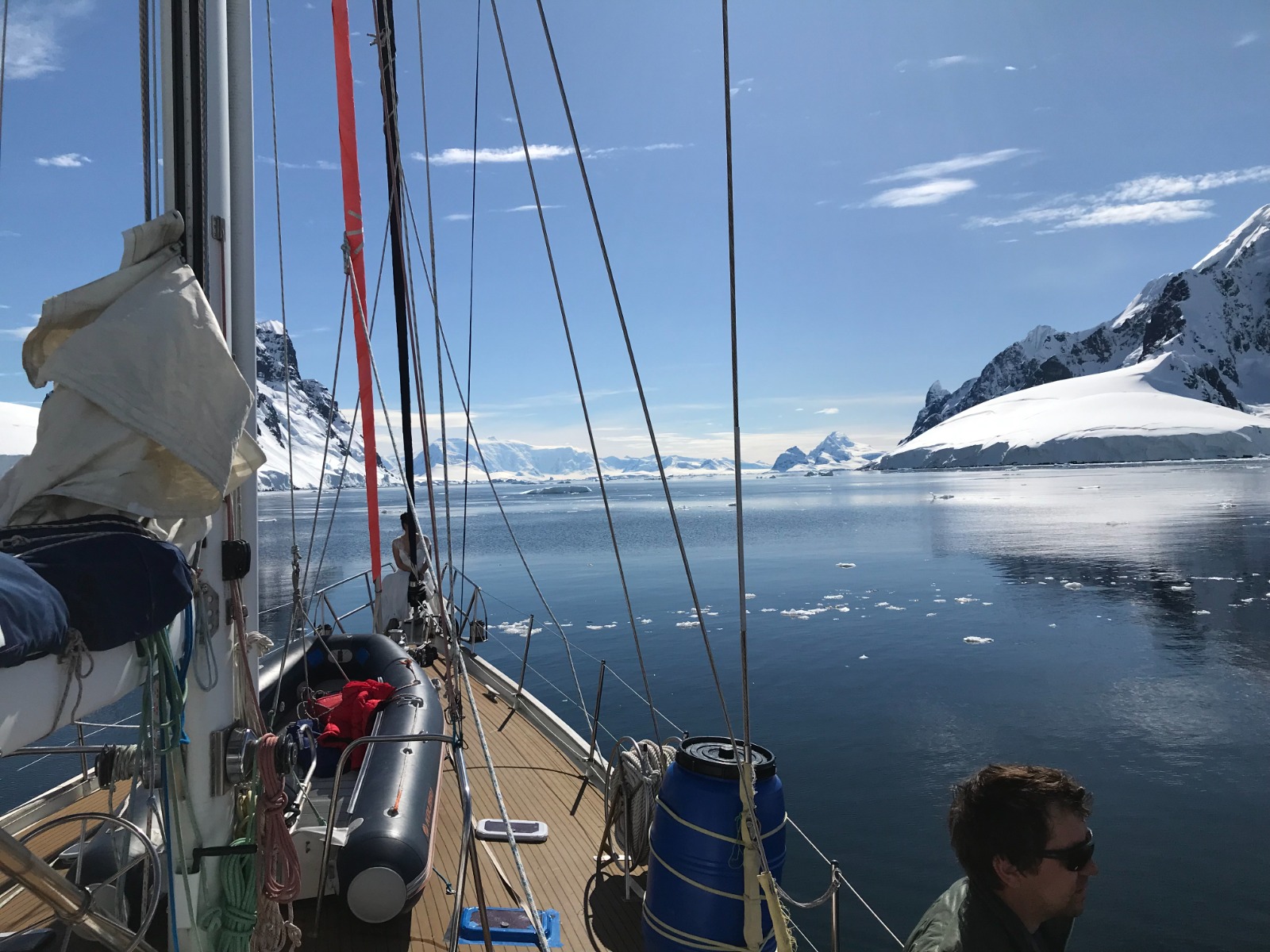
teak deck, hard dodger, an orange RIB lashed on the sidedeck and blue drums
strapped to the guardrails — a boat provisioned to be a long way from a
chandler.
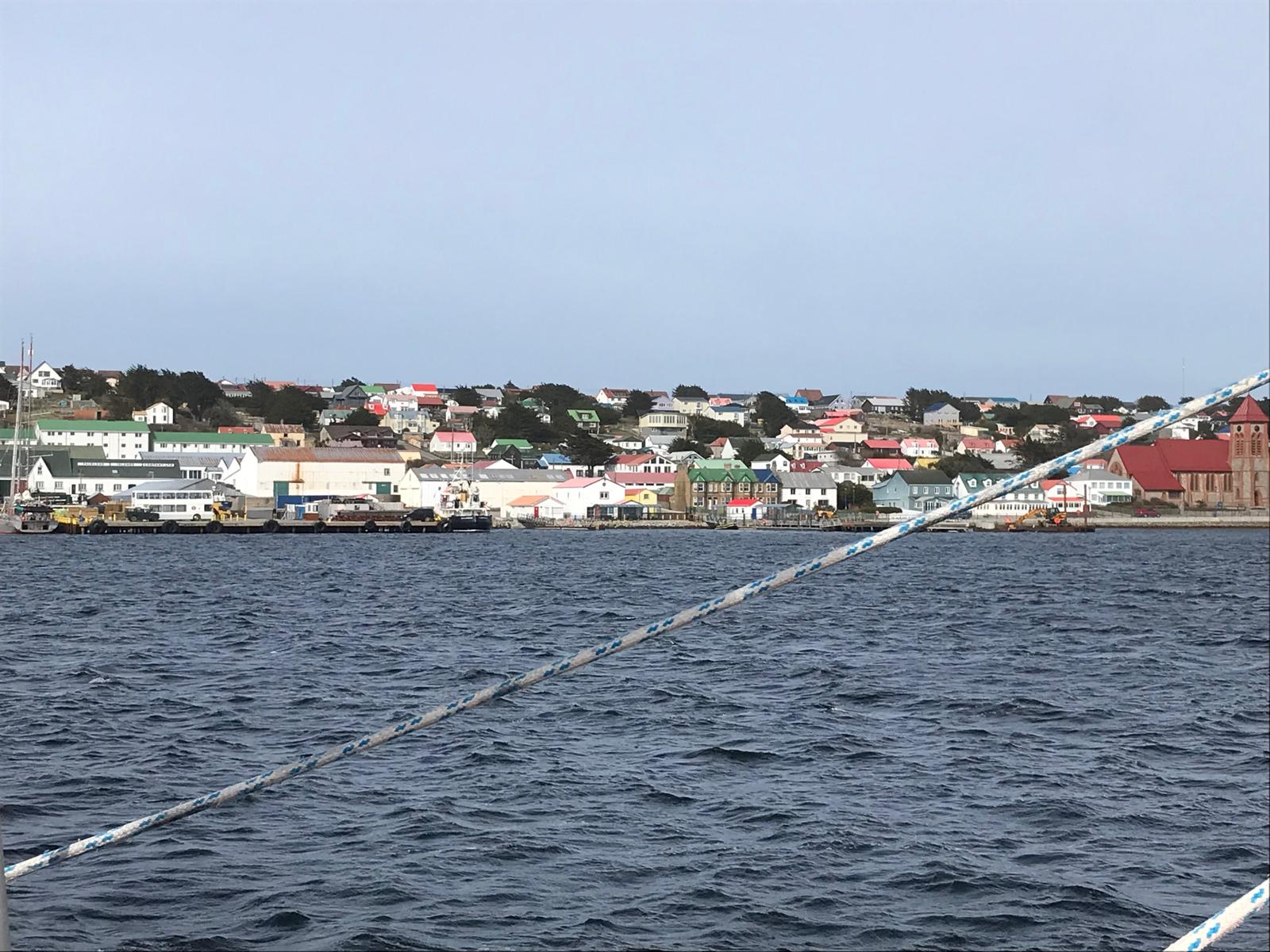
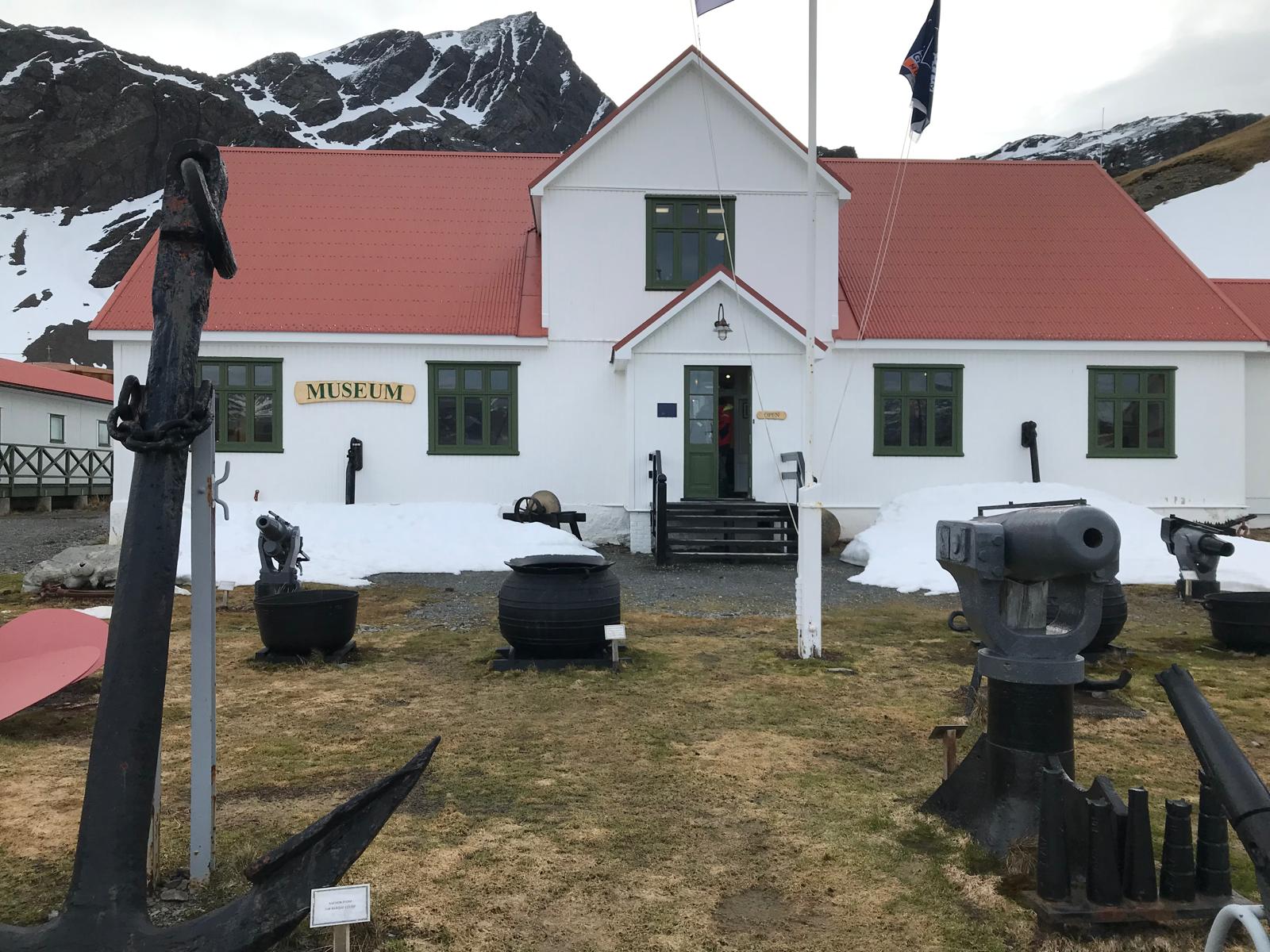
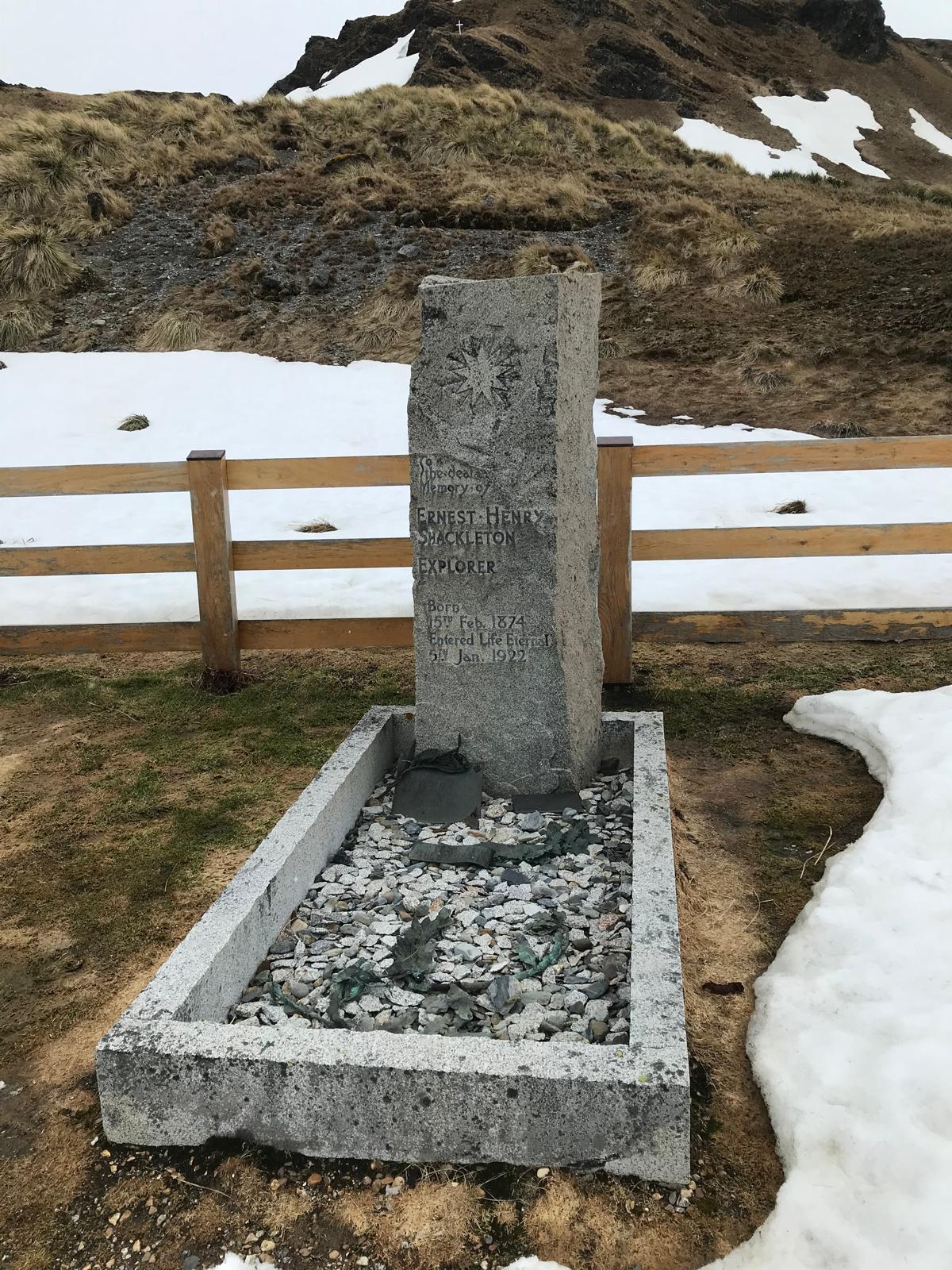
The waters are readable from the pictures themselves. Stanley — the ship names laid out in white stone on the hillside, the cathedral roof along the front. Grytviken — the museum with its red roof, the whaling station, and Shackleton's headstone, whose inscription is legible in the photograph. Then king penguin colonies packed along a South Georgia beach, and finally the peninsula: brash ice, hanging glaciers, and an anchorage flat enough to mirror the mountains.
That is the argument this page makes for everything else on the site. Nothing in those places can be ordered in. Whatever breaks is repaired by whoever is aboard, out of what is already aboard. It is the Merlin propeller job — no drawing, no catalogue part, no second attempt — at a much higher stake, and it is the reason a laboratory buying a splitter from a one-man workshop in Atwell is buying from the right one.
Out of the channels
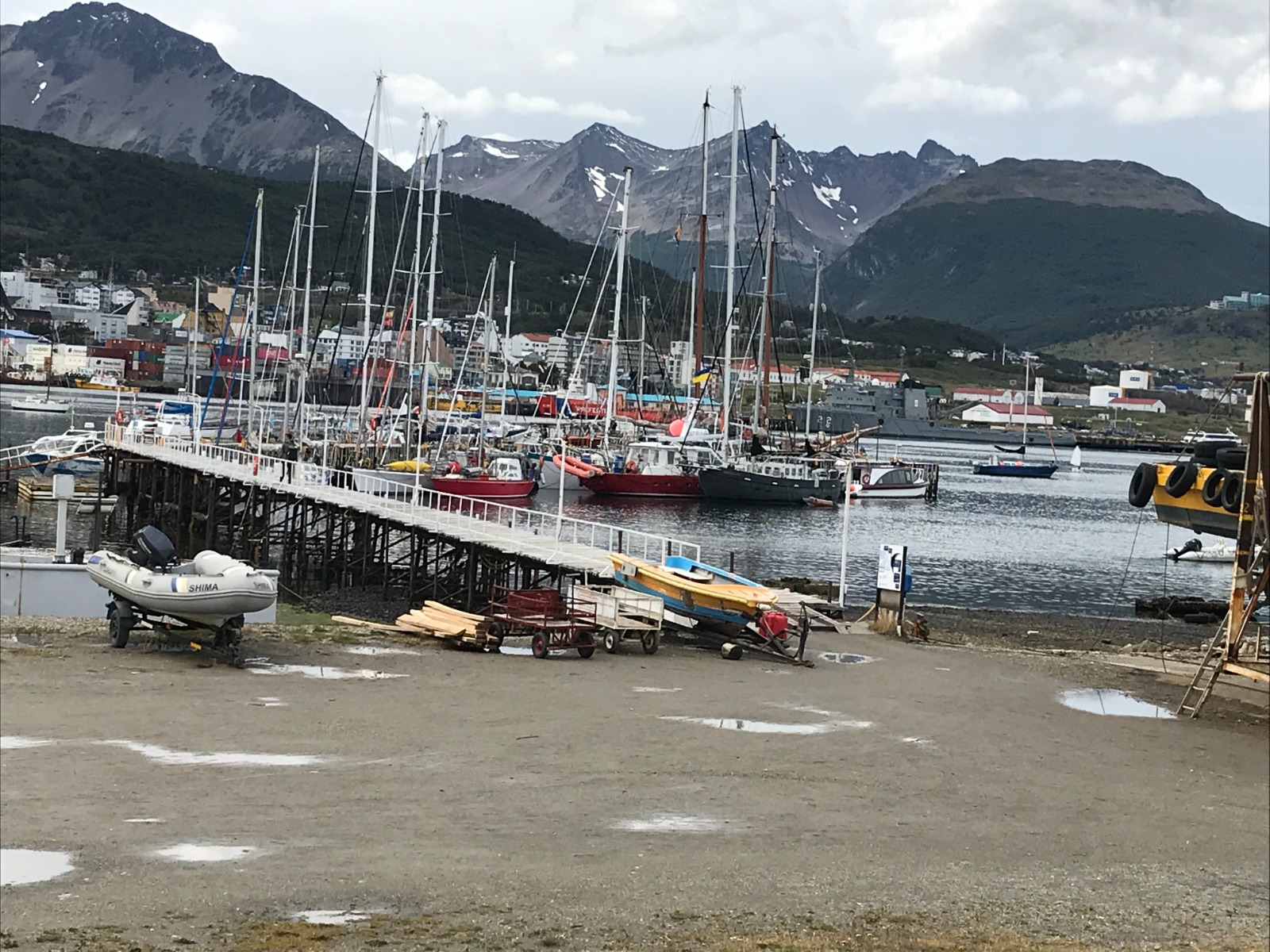
A yacht harbour at the bottom of the Americas: a long trestle jetty, a packed trot of expedition boats, a grey warship across the water and snow still on the tops in summer. Then east, out of the shelter of the land.
Between the islands
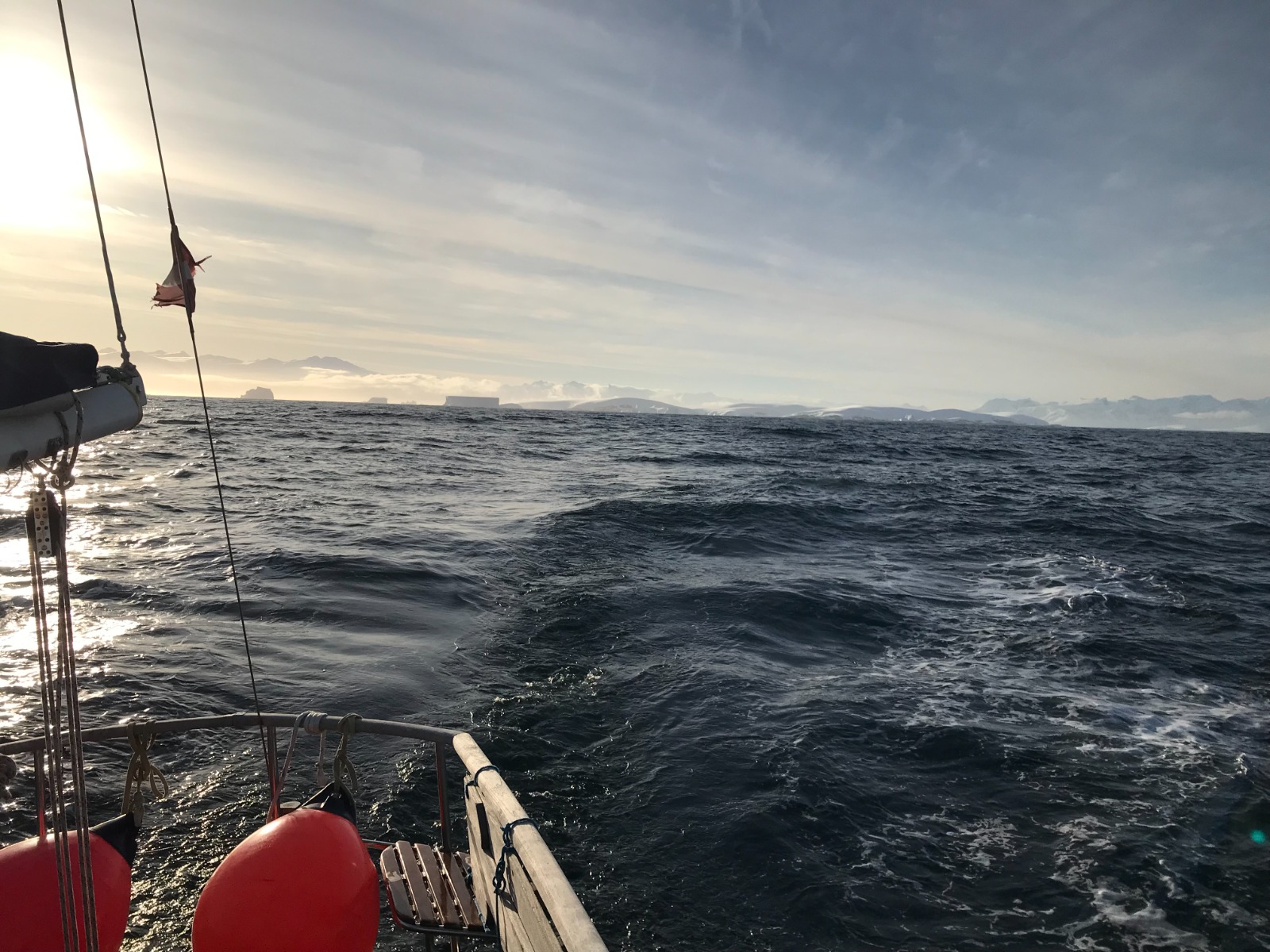
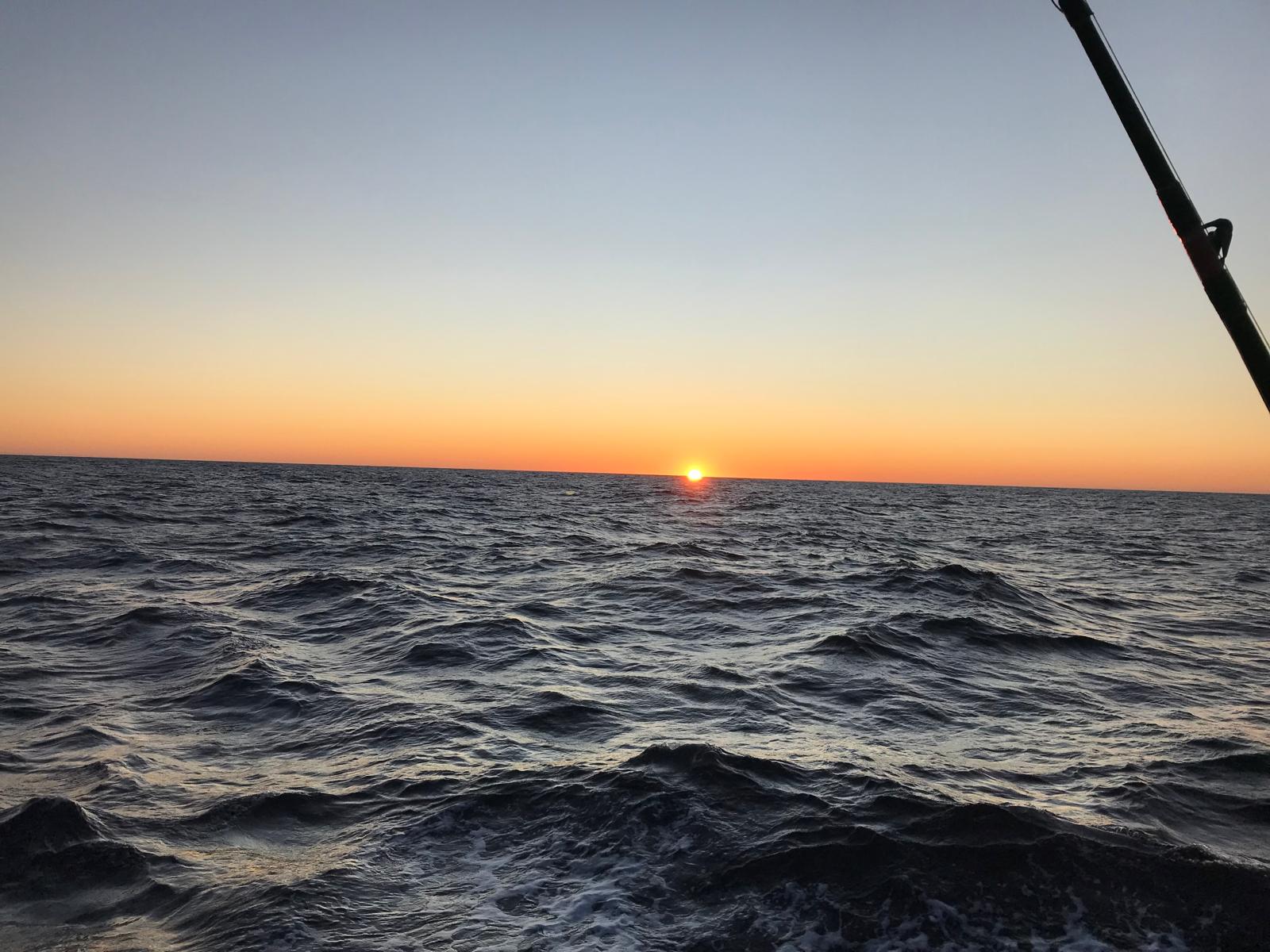
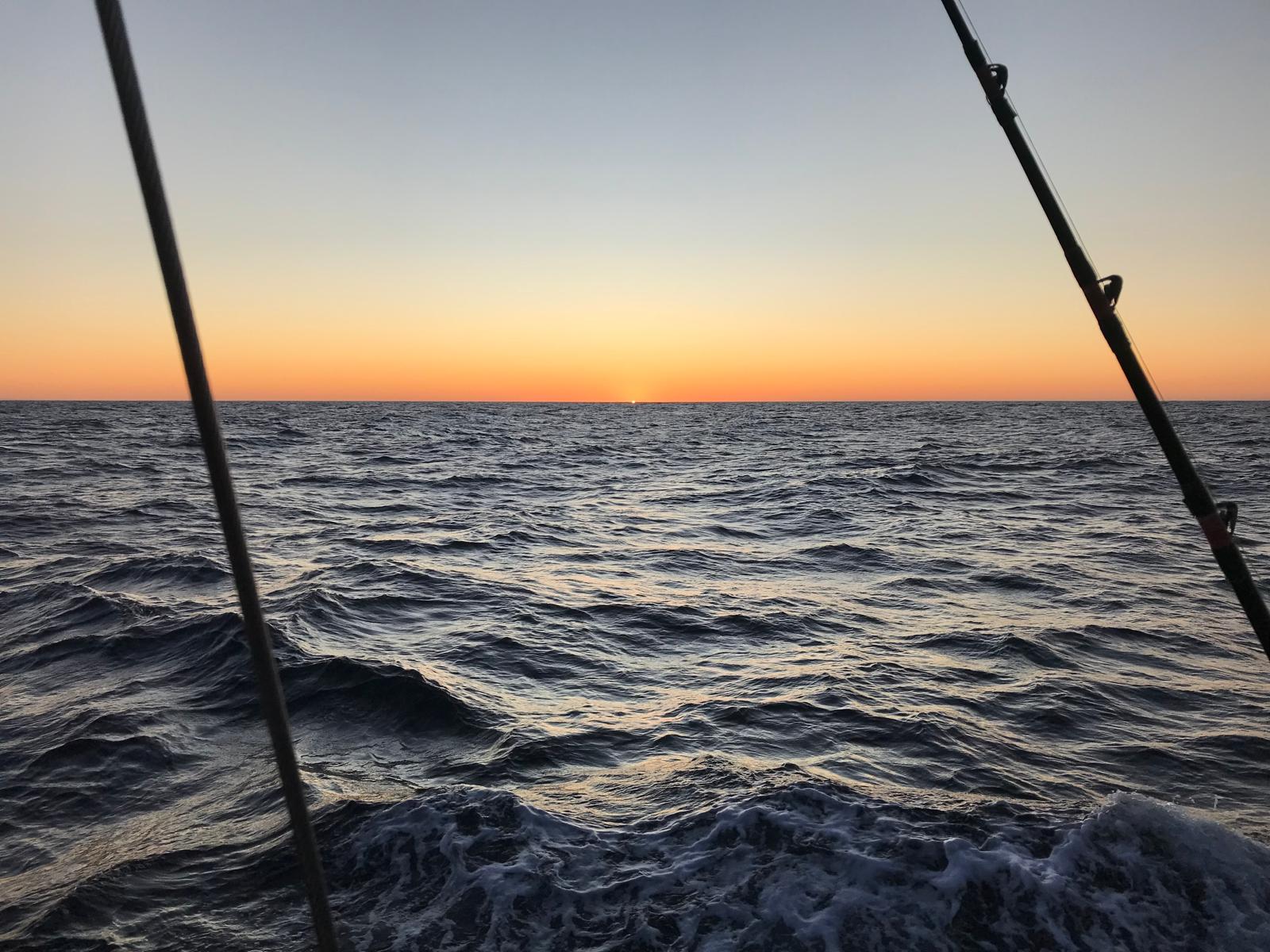
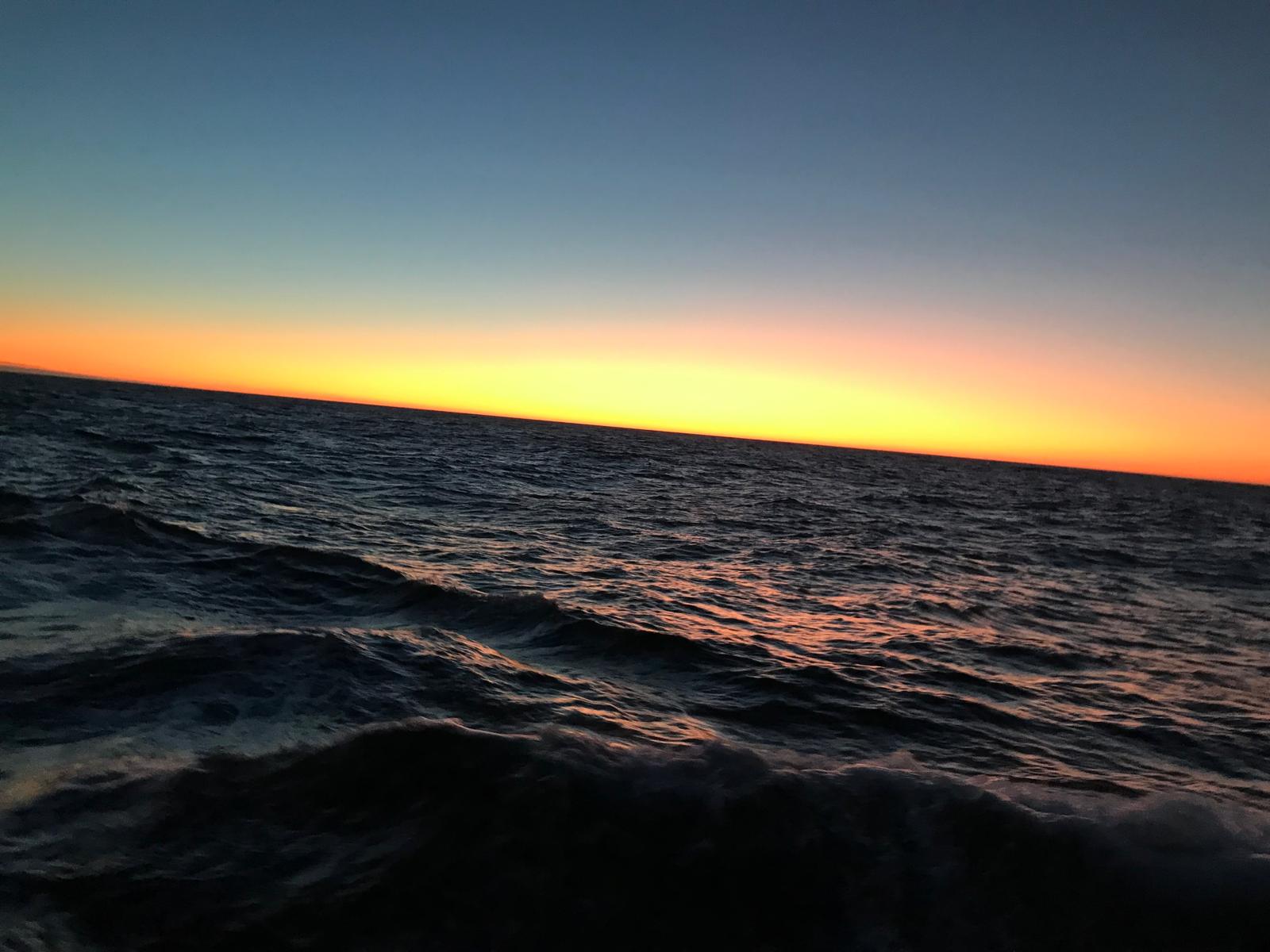
Four photographs of open water and nothing else, which is what most of a passage actually looks like. They are here rather than cut because a page that shows only landfalls misrepresents the job.
Grytviken
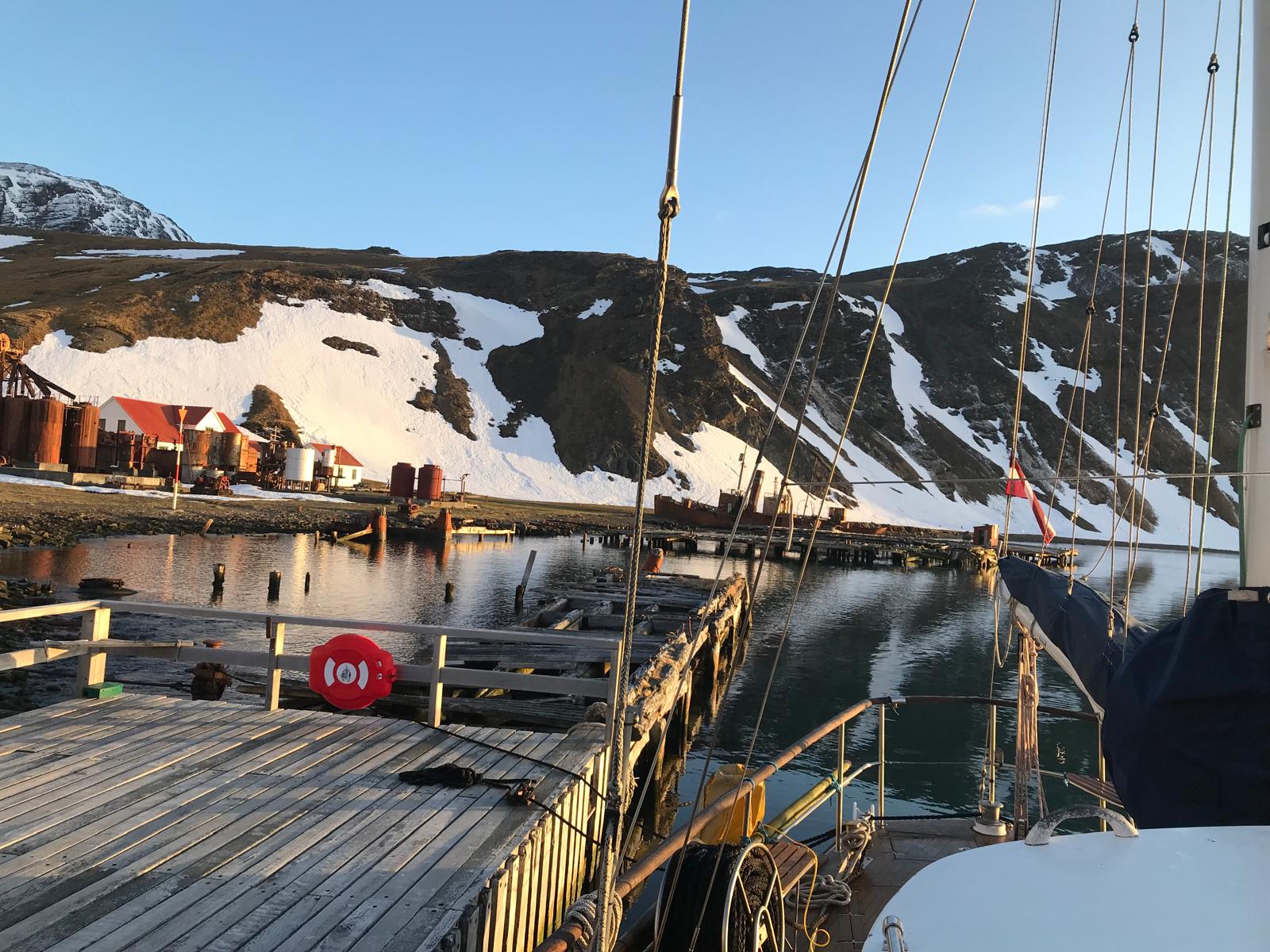
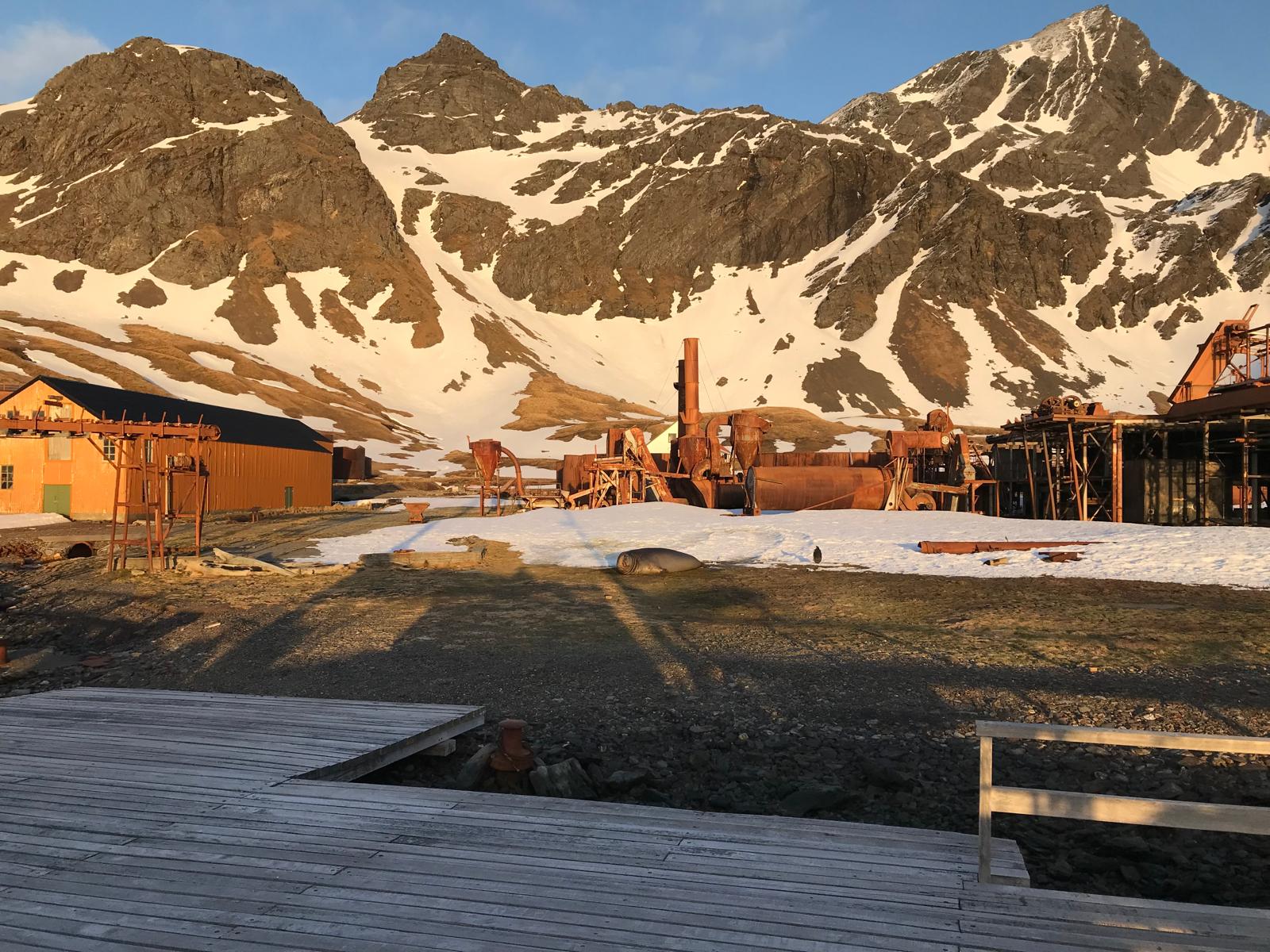
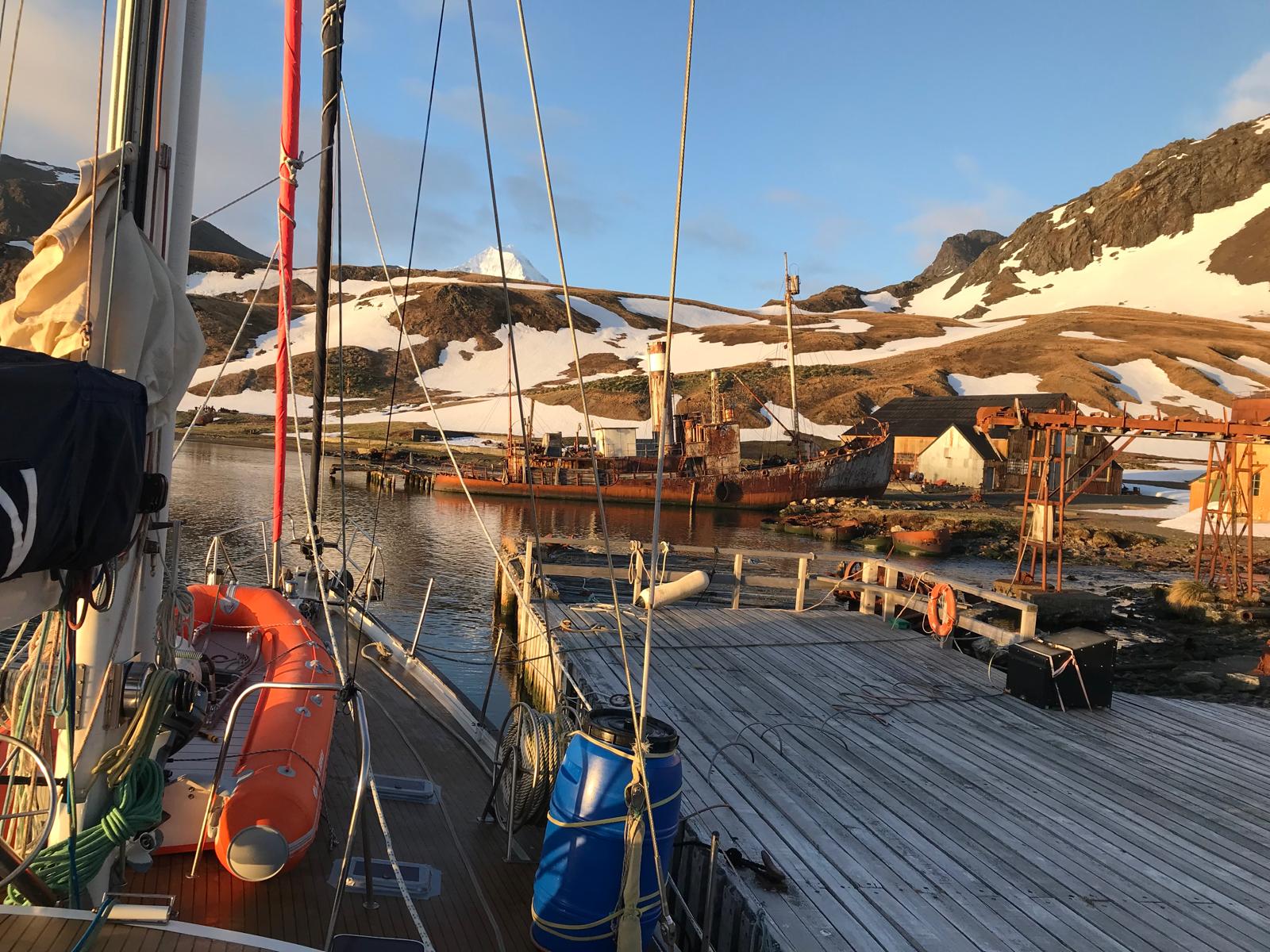
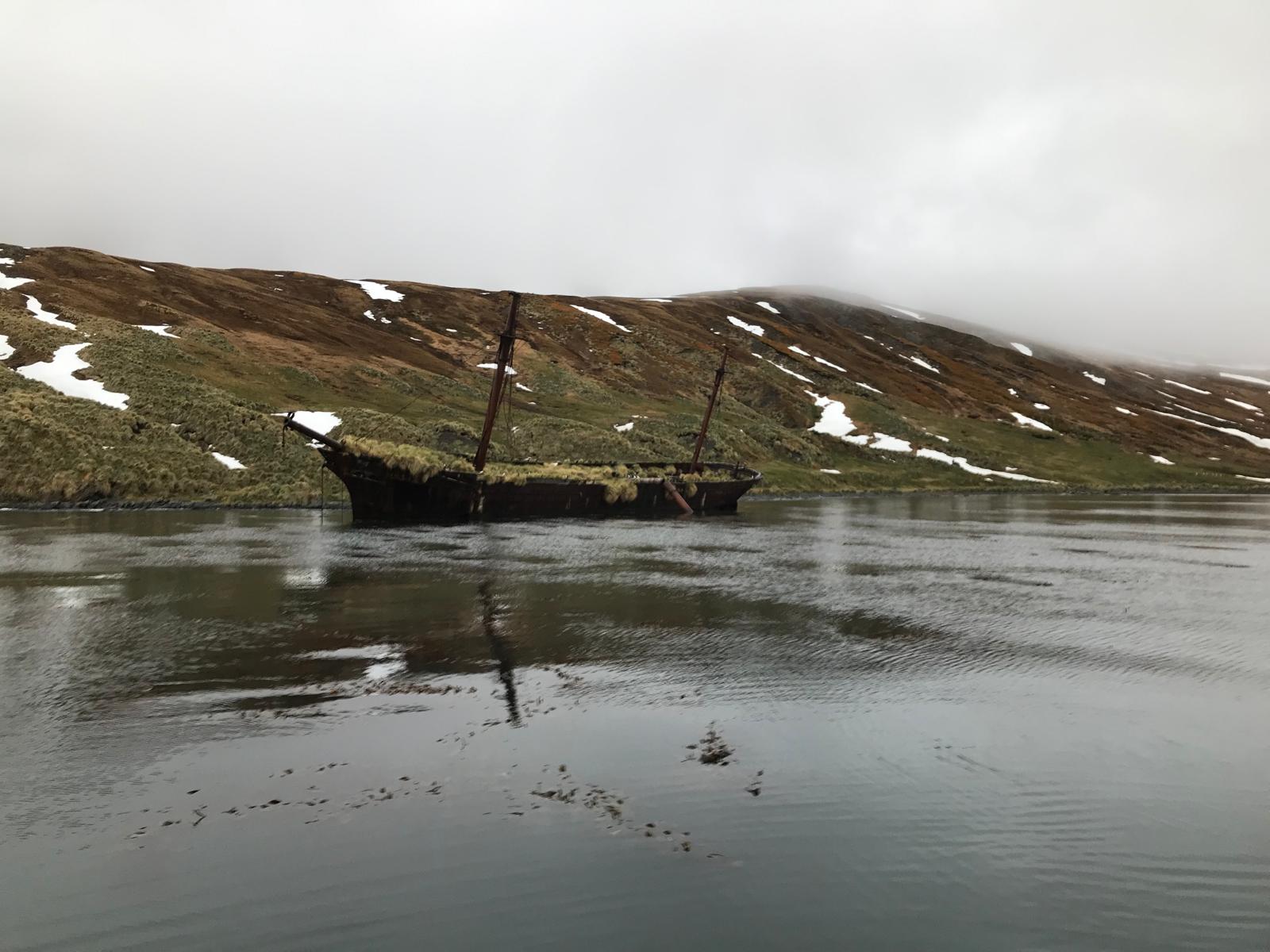
An abandoned whaling station at the head of a fjord, a museum, a graveyard, and a great deal of rusting machinery that nobody is coming to collect. It snows in summer; one morning the boat is simply white.
The two evening photographs are the ones worth enlarging. The station, the mountains behind it and the water are all one colour for about twenty minutes, and a whale catcher lies where she was run ashore.
Along the coast
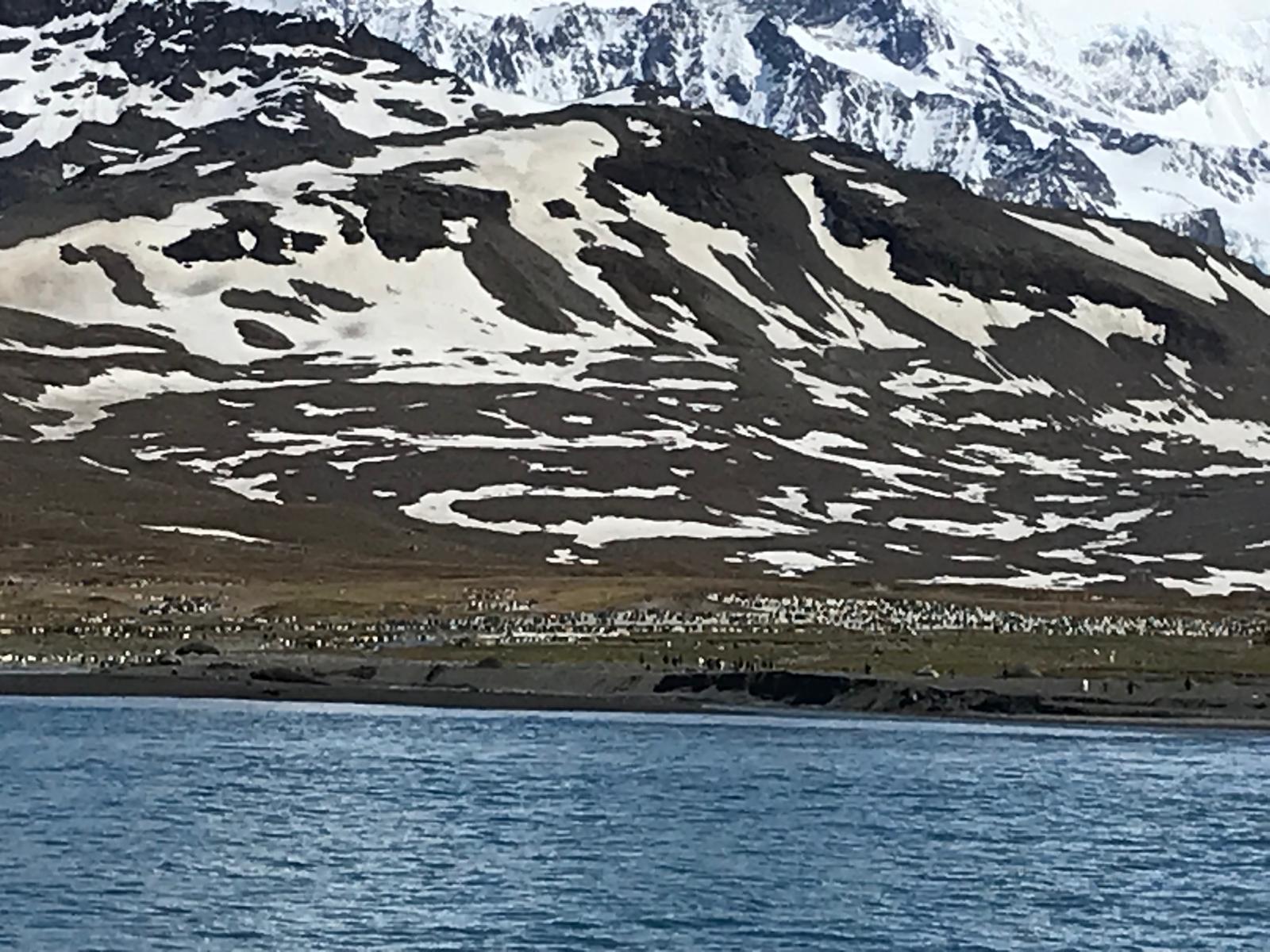
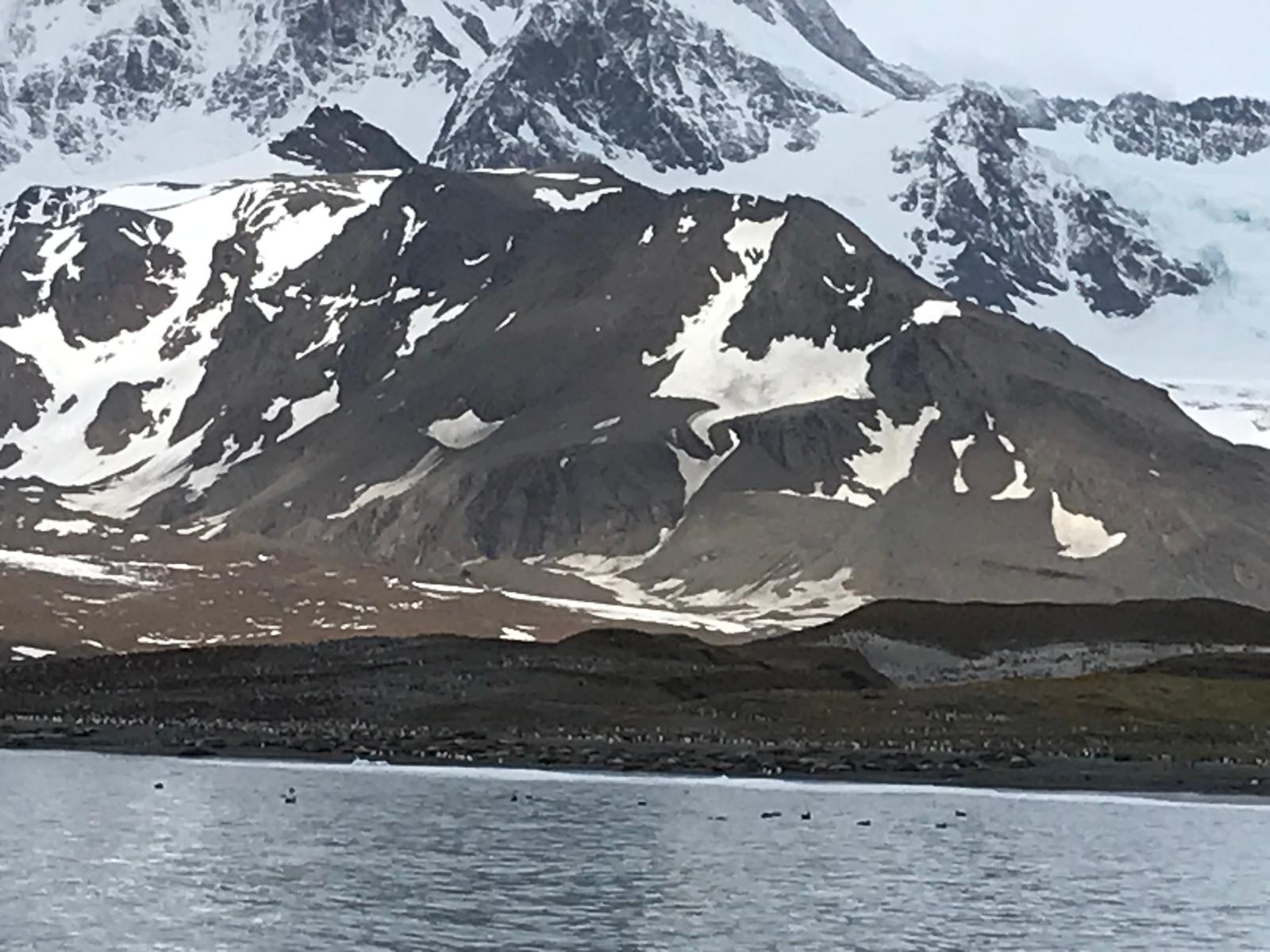
Away from Grytviken the island is a wall of glaciated rock with a strip of beach at the bottom, and on some of those beaches the strip is solid king penguins for a kilometre. In the wide shots the colony reads as a texture rather than as birds, which is the honest way to photograph it.
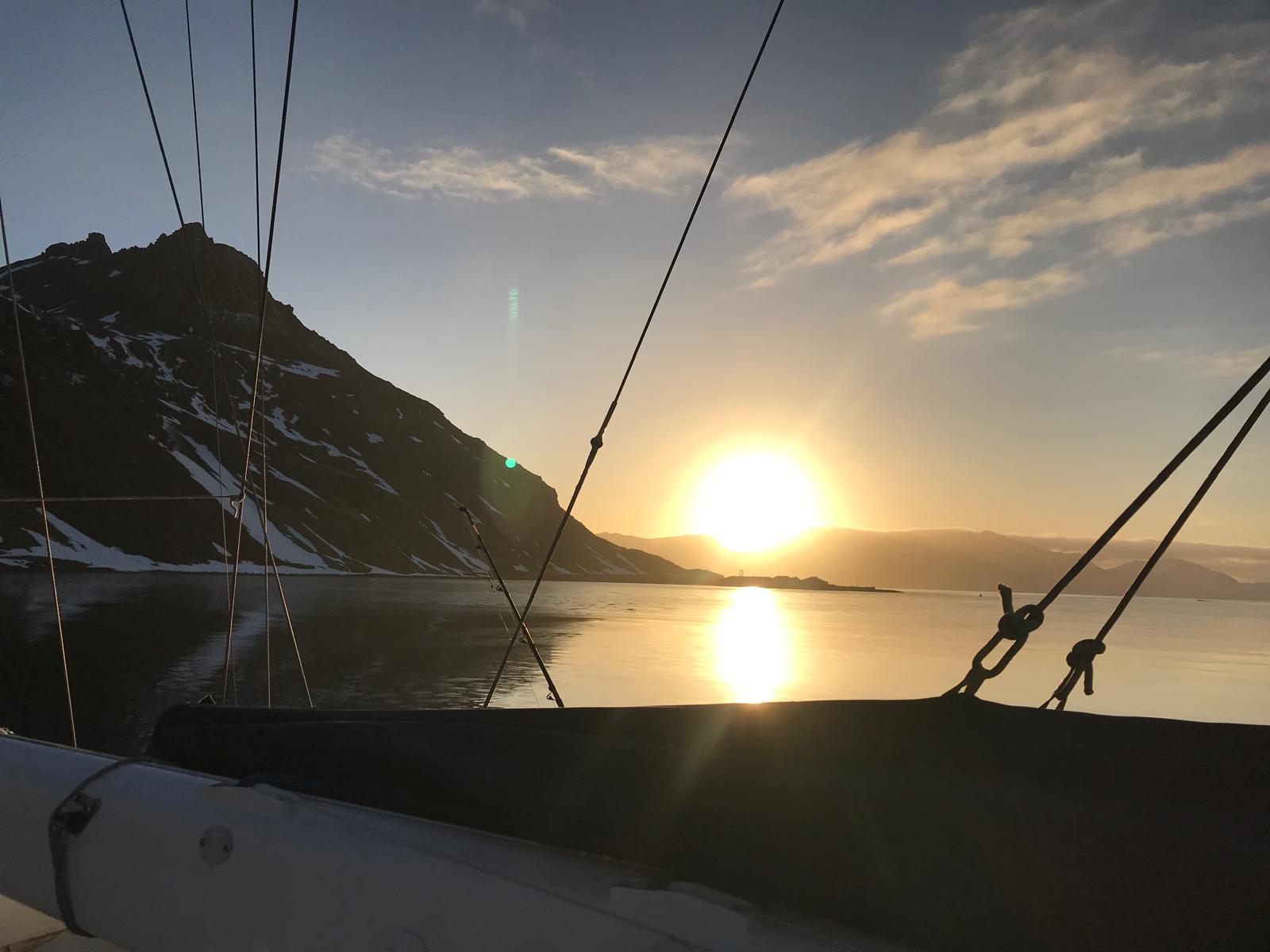
South again
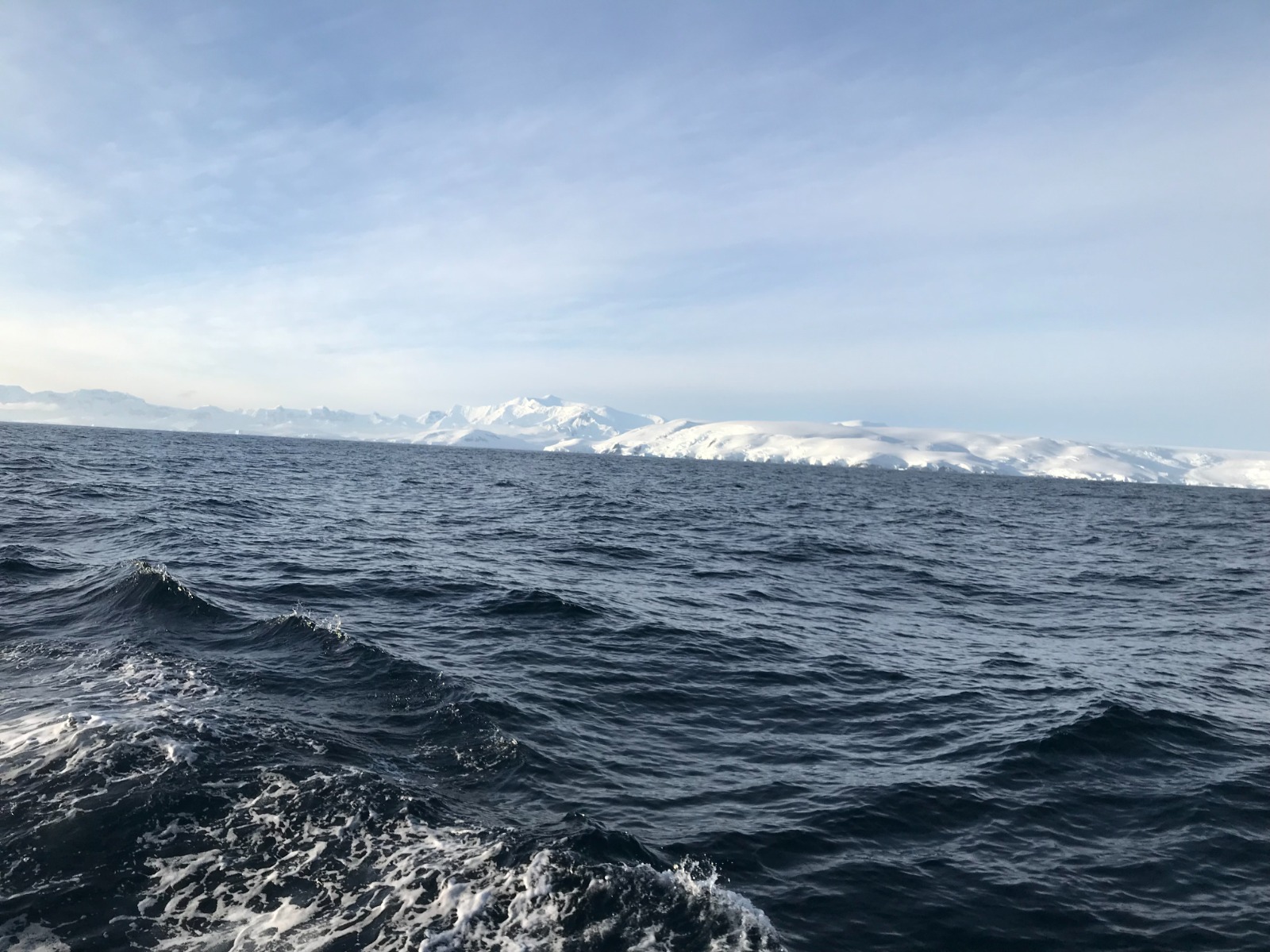
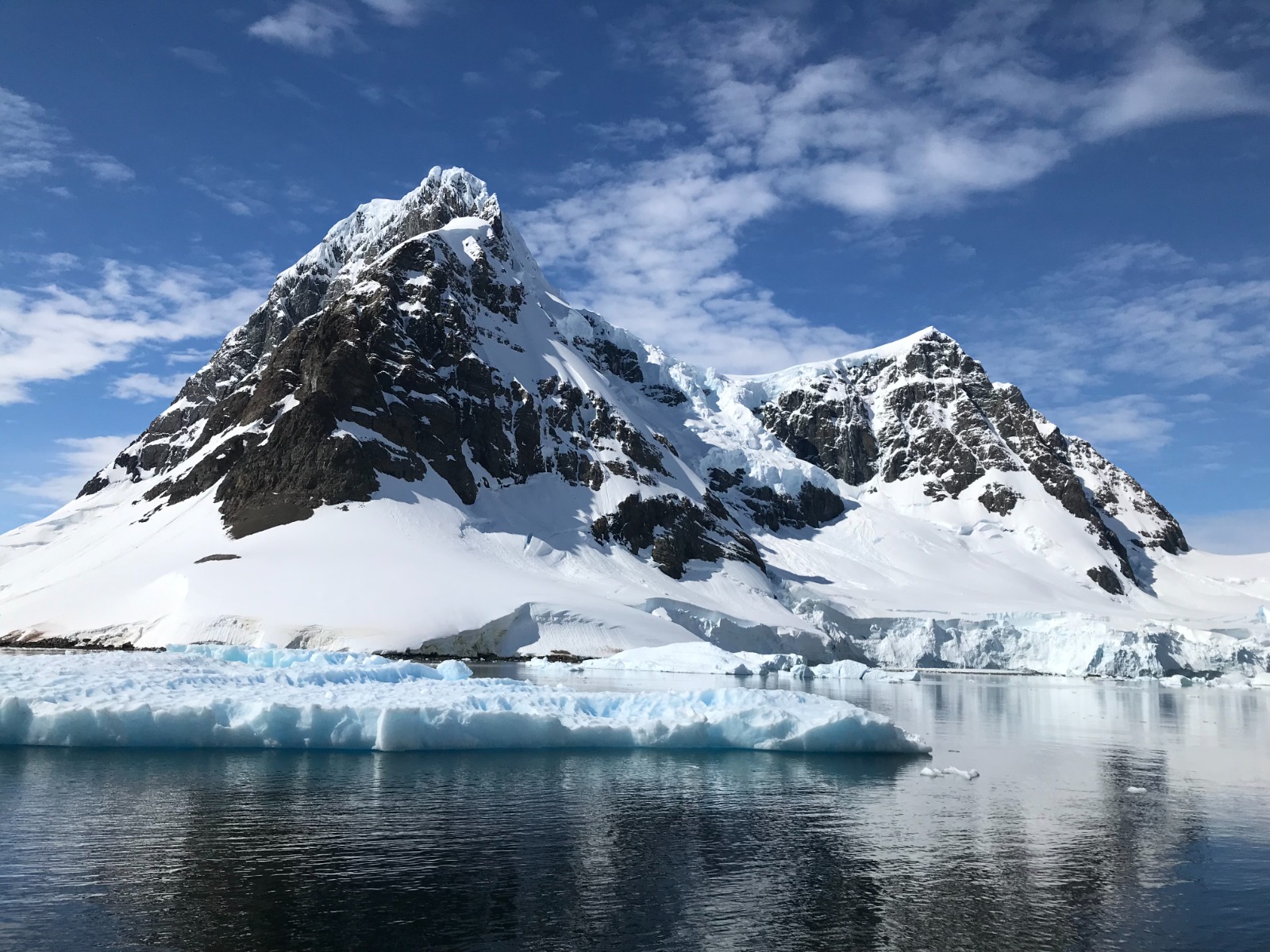
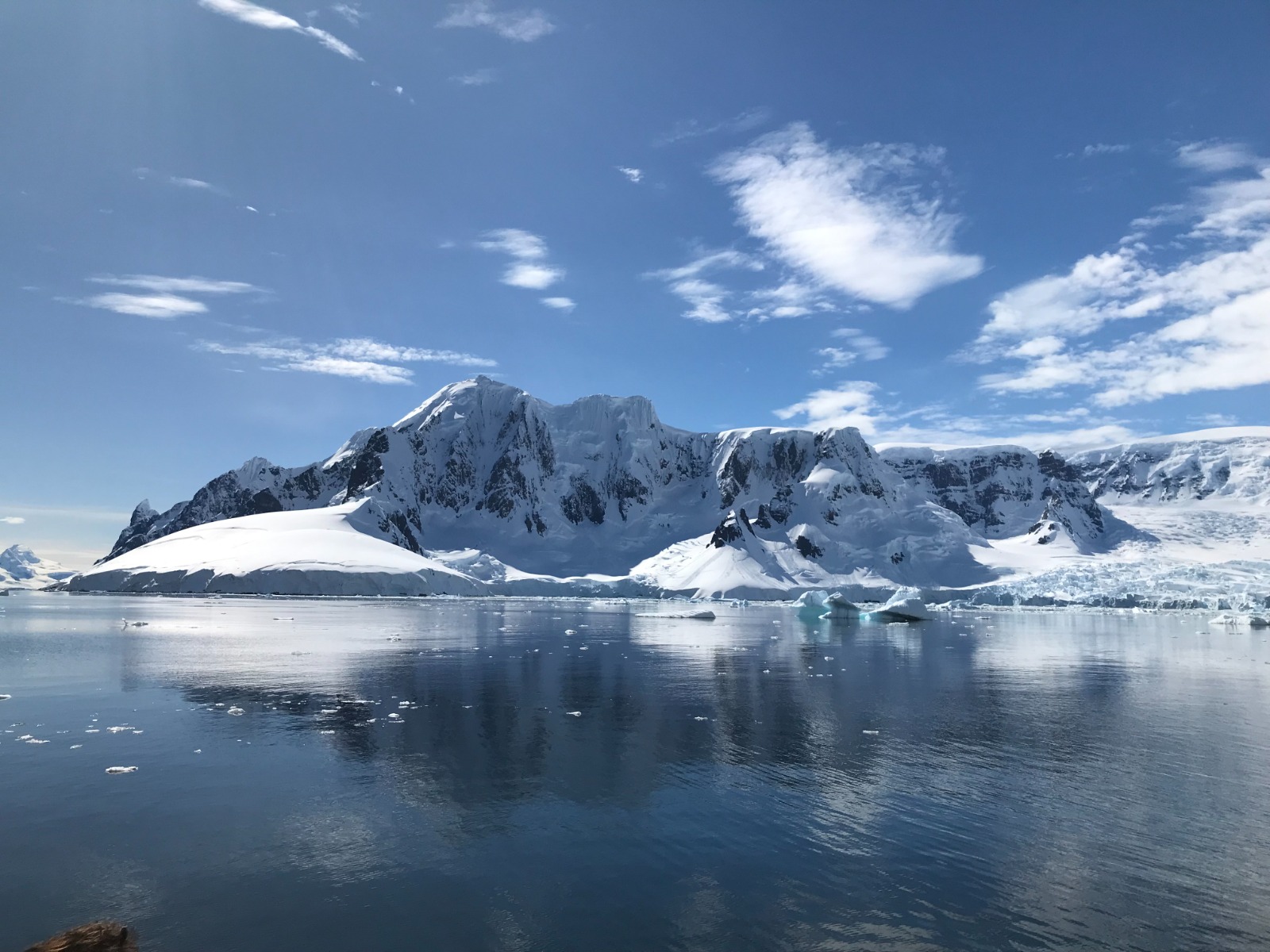
The last leg, and the one the shirts are named after. Tabular bergs first, well before any land; then an ice coast that runs unbroken to the horizon; then, inside, water so still that the peninsula is doubled in it.
The people
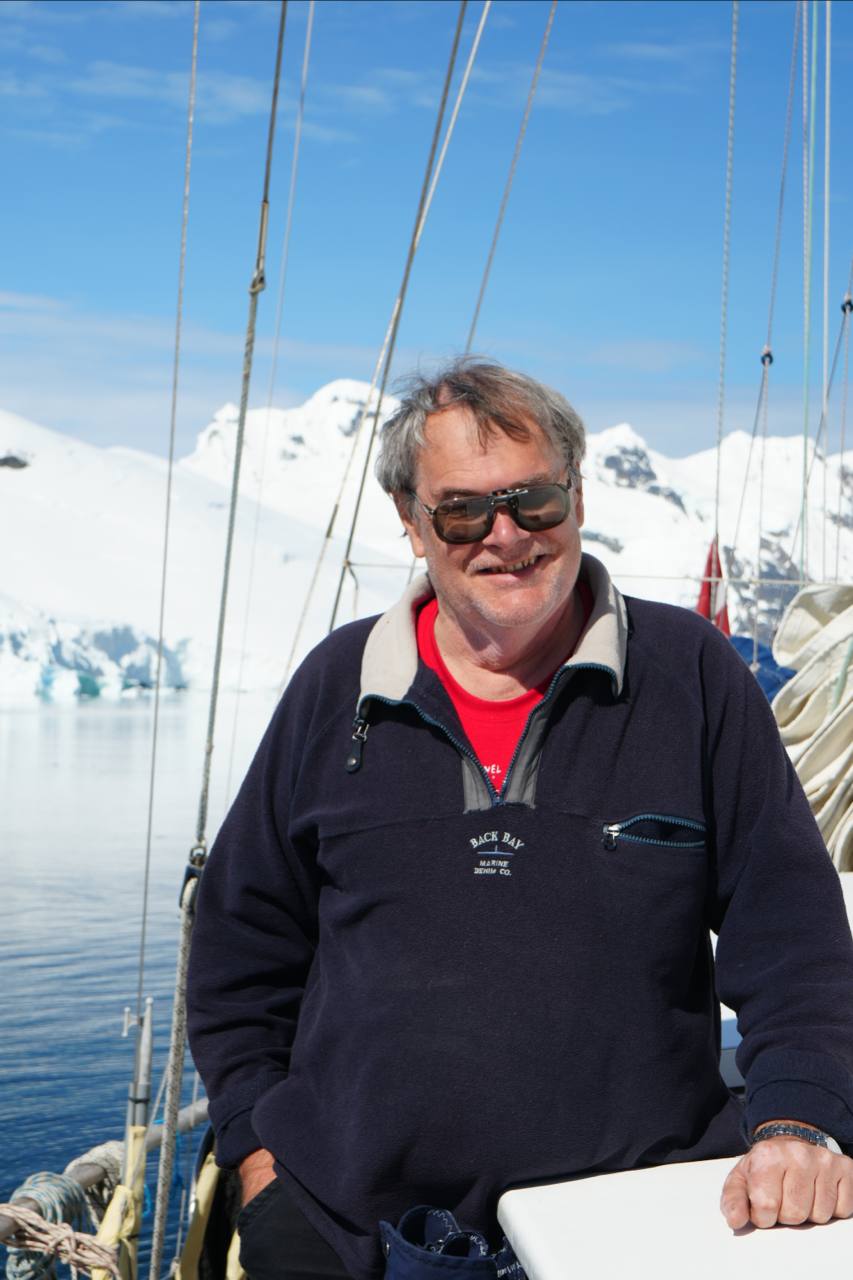
Three photographs show the crew. They are the best pictures in the set — the only ones that put faces to the rest of it.