We can make a part from a sketch taken on site.
One engineer, forty years of mechanical design, and a workshop in Atwell doing the work most shops turn away: single parts, obsolete machines, and assemblies that have to fit something already built.
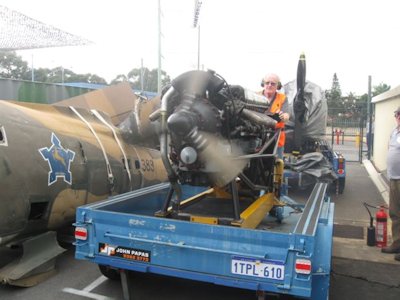
A WWII aero engine with nothing on the internet to go on
The museum had a working Merlin and no way to run it — without airflow through the radiator it overheated within minutes. There was no drawing of the shaft end, in the museum or anywhere else. So we measured it on site, sketched it, drew it, cut it, and fitted it.
That is the whole business in one job: no documentation, no catalogue part, no second attempt.
And four lines you can order off the page
Precision riffle splitters, wheelchair lifting platforms, a gold jig and a 50-tonne laboratory press. The splitter's slot-lining design was the subject of Australian innovation patent 2010100147; two of the four were built for one client and turned out to be worth repeating.
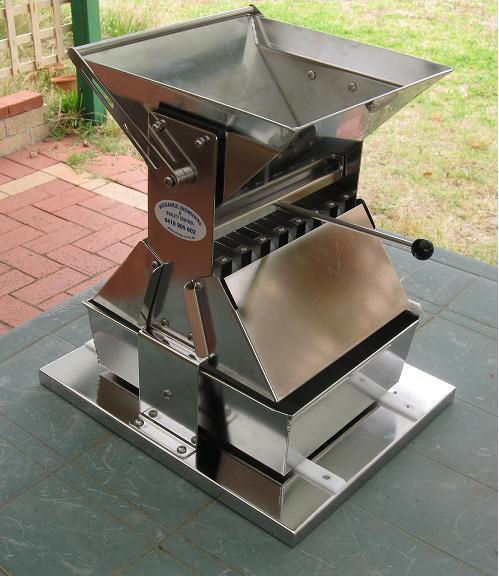 SS-316 · 3–60 mm slots
Sample splitters
Single, two- and three-tiered. Micro through large. Independently tested at 49.90 / 50.10 on a 6 kg split.
Specifications →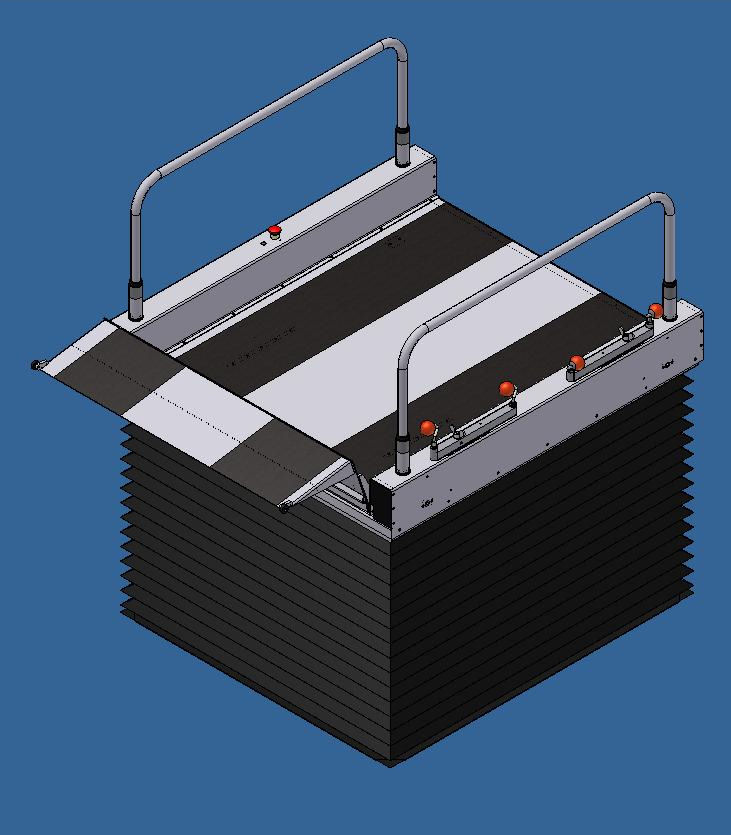 AS 1735.14-1998
Wheelchair lifting platforms
SF 600, SF 1000-1 and SF 1100 — portable, screw-actuated, 600 to 1100 mm of lift. One comparison table, three models.
Compare models →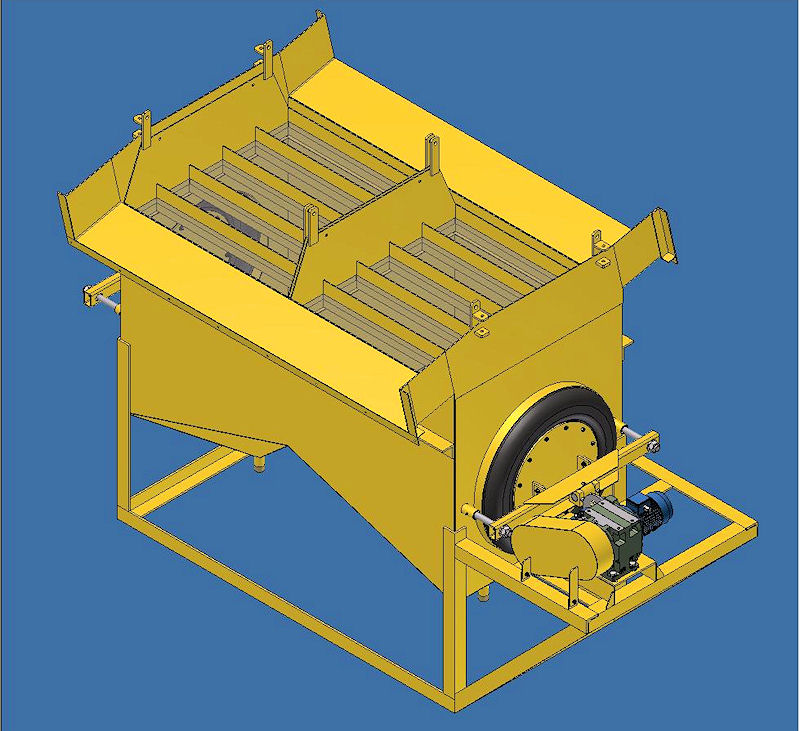 Built to order · WA mining
Gold jig
Separates gold from lighter material by agitation with water. Ten screen filters at 1048 × 205 mm.
Detail and animation →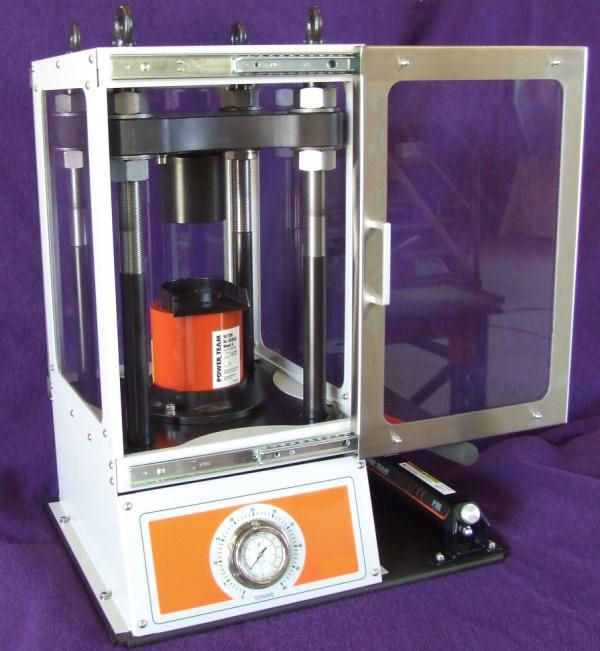 Model 30-GA · 50 t
Laboratory press, 50 tonne
Desktop dry pressing machine for materials and chemistry laboratories preparing compound ceramic samples.
Detail and animation →How the work gets done
Concept sketch, 3D CAD detail design, analysis, prototype, assemble and test, then a documentation package you keep. Six phases, run by one person, so nothing is lost in a handover.
I personally guarantee all our work is on time and faultless, otherwise we shall replace it within 5 working days and only charge you 75% of the original billing fee. Igor Mironenko, Principal
Fifty years at sea
Igor Mironenko went to sea at seventeen and has been there ever since — a ship's master who has led Arctic and Antarctic expeditions, and before that crew on Fazisi, the first Soviet entry in the 1989–90 Whitbread Round the World Race. He built the yacht Gonta in Kiev before that, hardware included: keel, rudder, mast, blocks, winches.
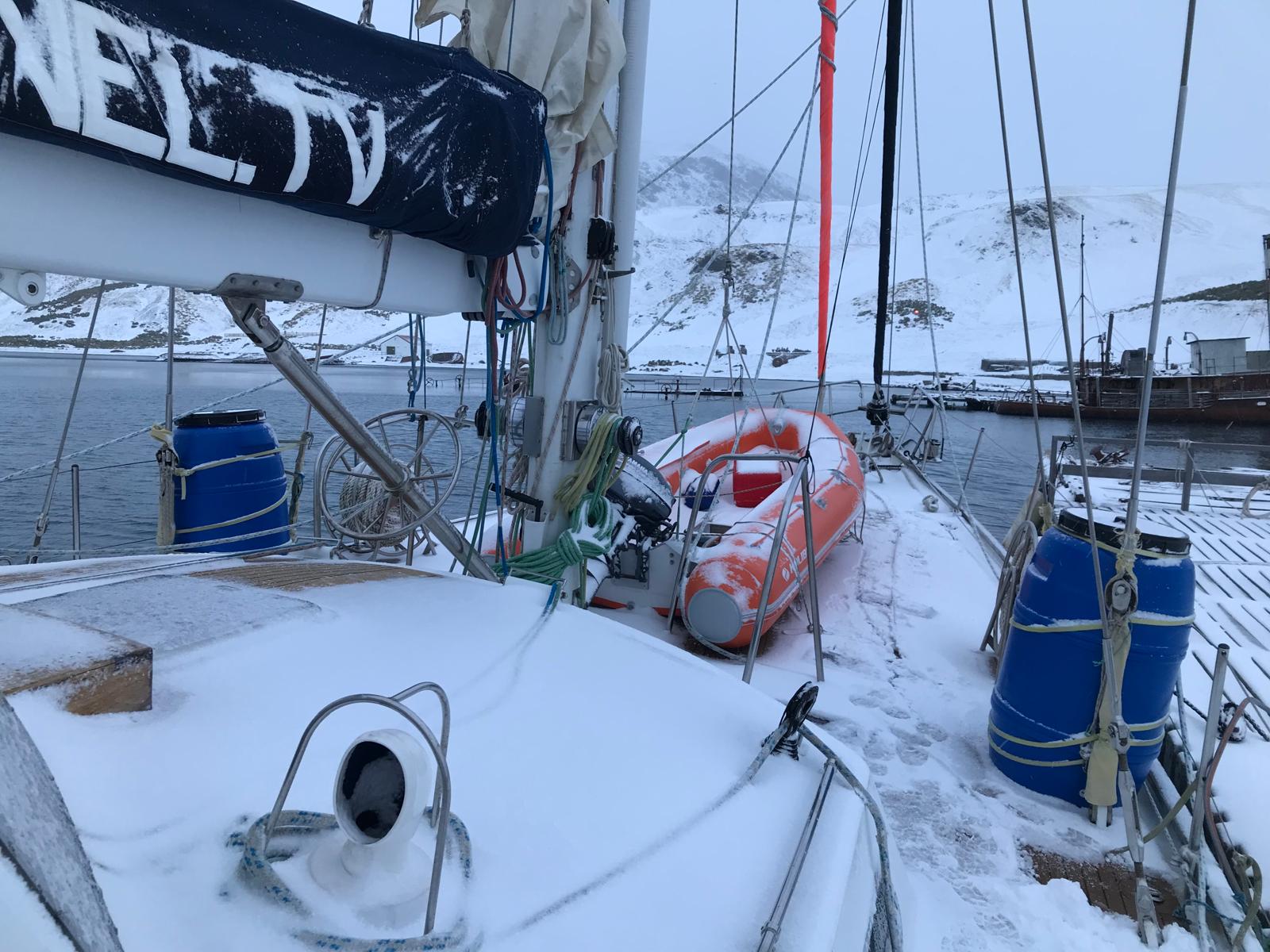
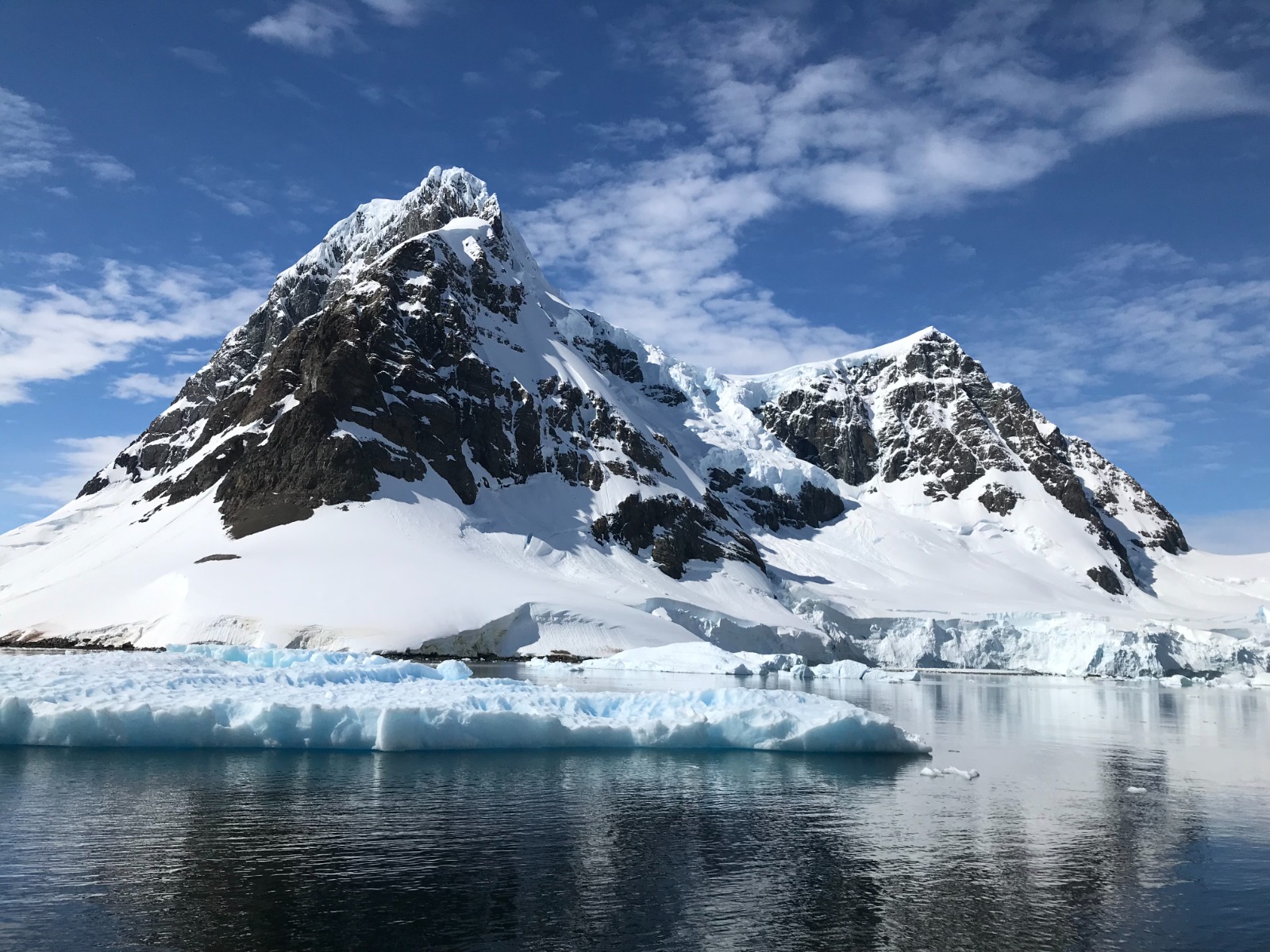
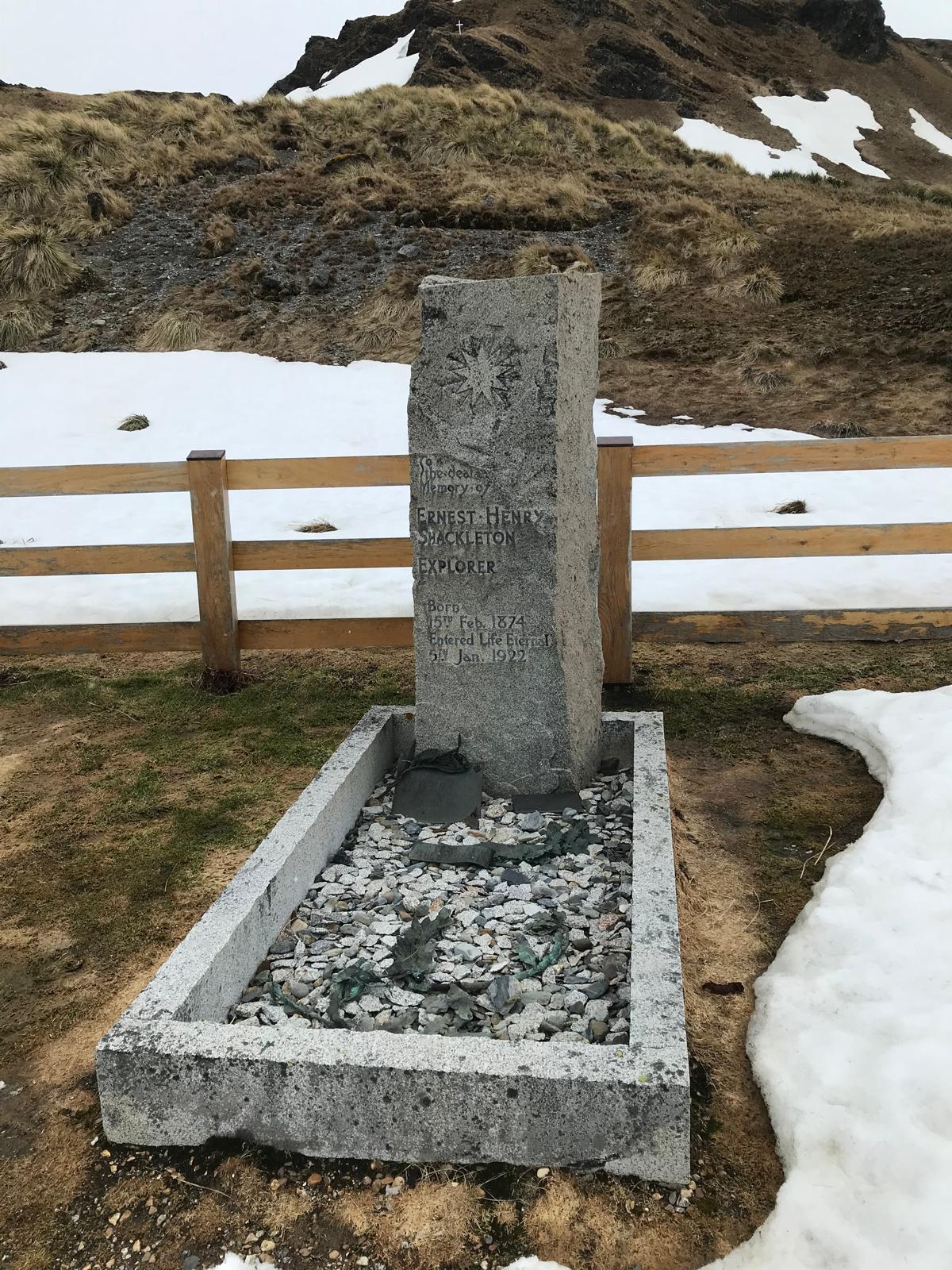
He is still going south. The newest photographs here are not of the Whitbread at all — they are of an expedition ketch alongside at Grytviken with snow on her deck, and of the Antarctic Peninsula from her anchorage.
That record — six vessels, three books, four hundred photographs — sits inside the section about Igor himself, deliberately separate from the work above.